Why Commercial Plants Die in Pots: The Hidden Impact of Planter Materials

Stop replacing expensive landscape greenery. Discover how material choices prevent root rot, combat frost damage, and save commercial ROI.
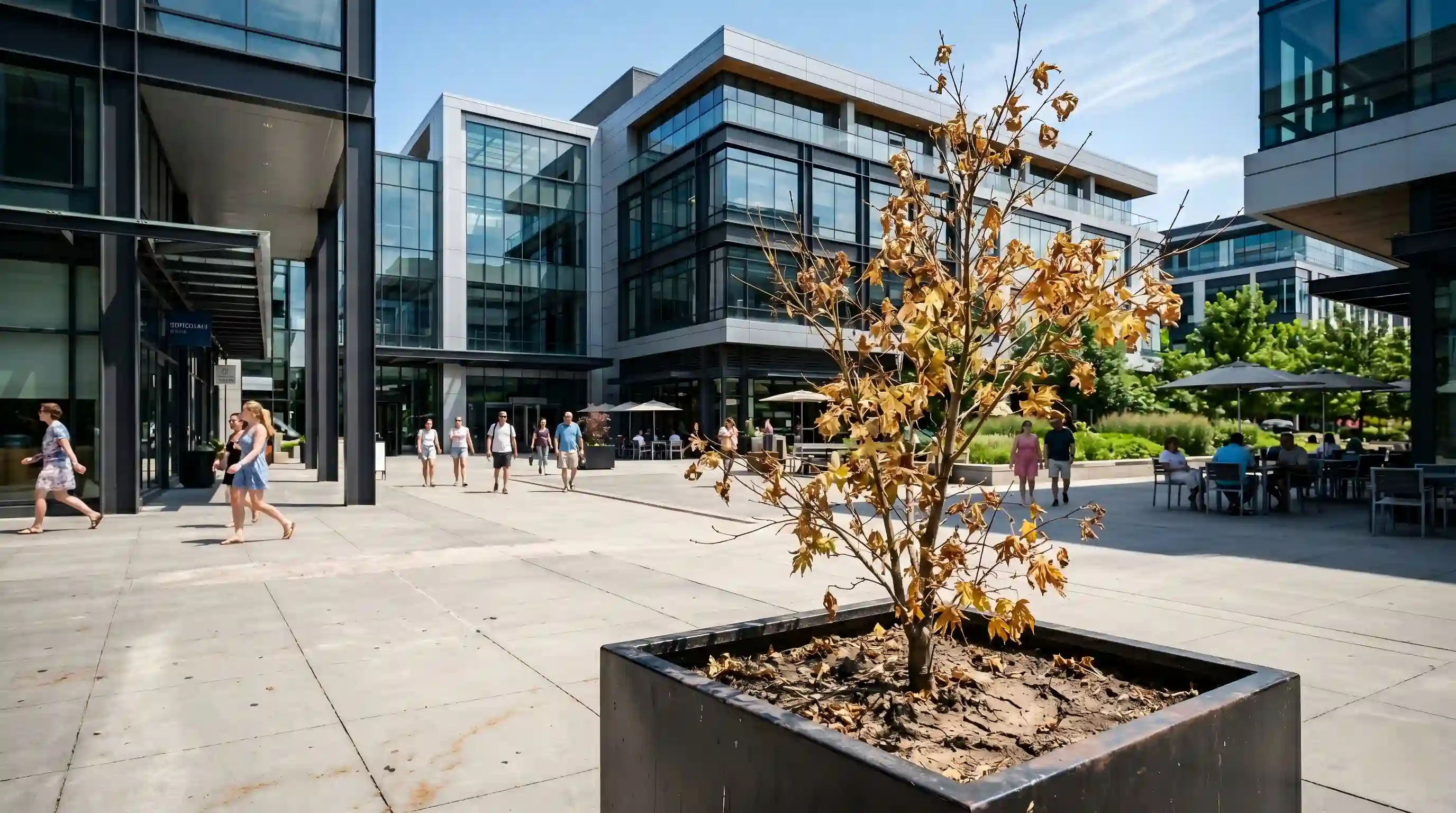
Landscape architects and property managers allocate significant budgets to premium trees and ornamental shrubs. Yet, observing yellow leaves on plants or entirely dead greenery within the first year is a costly, recurring nightmare. If you’ve ever wondered why your commercial landscapes struggle despite proper watering, the problem rarely lies with your maintenance team—it is usually the container itself.
1. Misdiagnosing the Problem: Is it Disease or the Planter?
When professionals spot leaf spot or foliage turning brown, the immediate reaction is often to apply fertilizers or pesticides. However, these visual symptoms are frequently stress signals from the root zone. A pot that absorbs too much heat or fails to drain properly creates an environment where roots essentially boil or drown, mirroring the exact symptoms of severe nutrient deficiency or disease.
2. Drainage: The Ultimate Defense Against Root Rot
One of the most common reasons commercial plants die is poor water management. If excess water has nowhere to escape, roots become waterlogged and suffocate. Over time, this leads directly to root rot, an irreversible condition that destroys expensive tree stock.
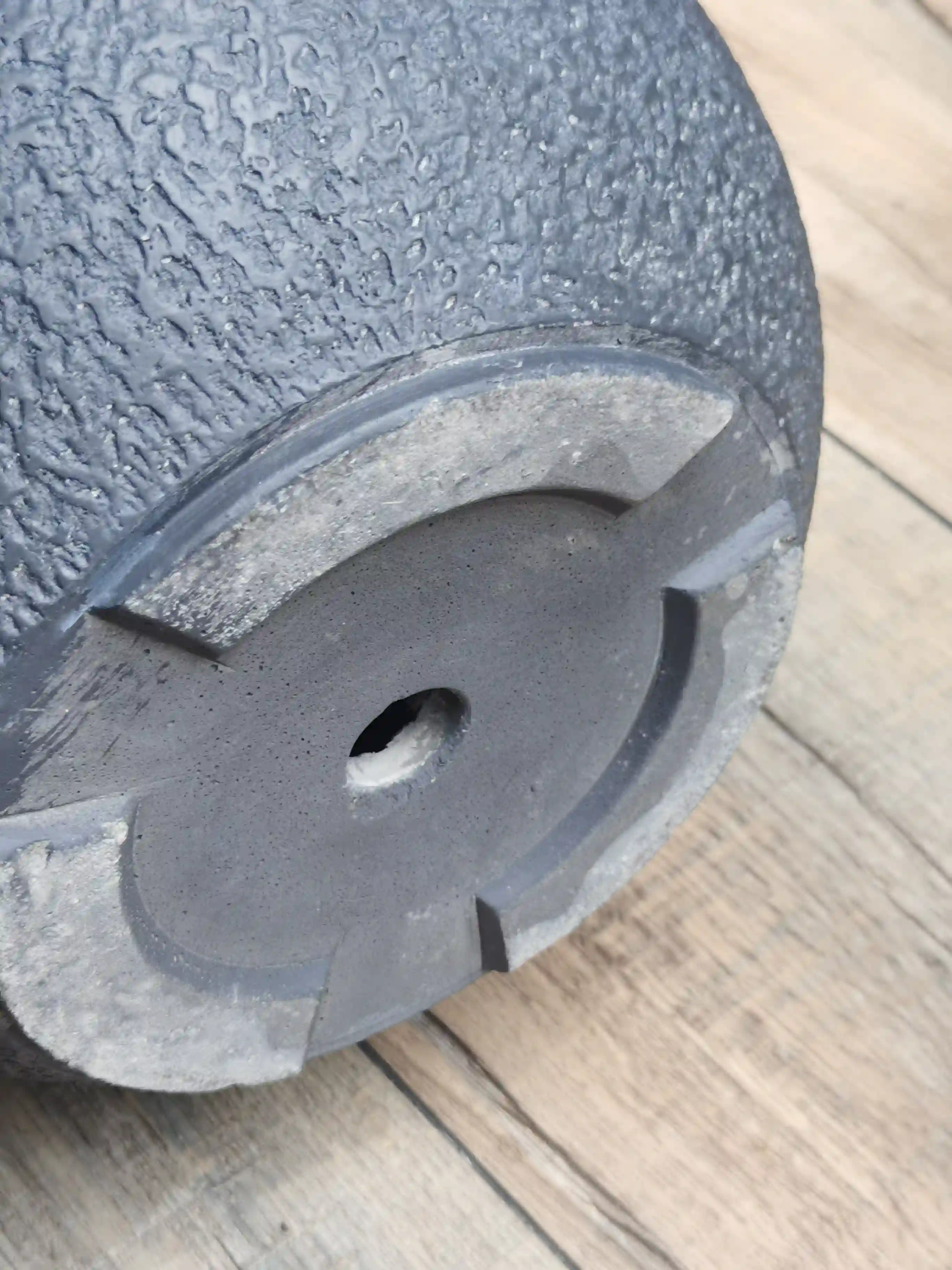
When sourcing containers for urban plazas, always prioritize plant pots with drainage holes. Proper engineered drainage allows oxygen to reach the root zone. For contemporary indoor spaces, professional landscaping requires adding a drainage layer (like gravel) or self-watering inserts to prevent anaerobic stagnation.
3. Material Autopsy: Why Traditional Planters Fail Outdoors
The physical properties of a planter material significantly impact a plant's ability to survive extreme urban stress. Standard retail materials often create a hostile environment:
- Metal (Steel/Aluminum): Acts as a dangerous heat sink in direct summer sunlight, transferring extreme temperatures into the soil and cooking the root system.
- Plastic & Resin: Lacks breathability and degrades under UV exposure. These materials trap moisture, accelerating fungal outbreaks.
- Fiberglass (FRP): While lightweight, its thin walls offer minimal thermal mass, providing a poor buffer against sudden temperature drops.
"Choosing the correct commercial planter is not just an aesthetic decision; it is a critical horticultural investment that dictates the survival rate of your landscape."
4. Winter Survival: How to Protect Plants from Frost
Property managers often search for solutions on how to protect plants from frost. The secret to keeping winter plants and winter flowering plants alive isn't just about covering the canopy; it’s about insulating the root ball.
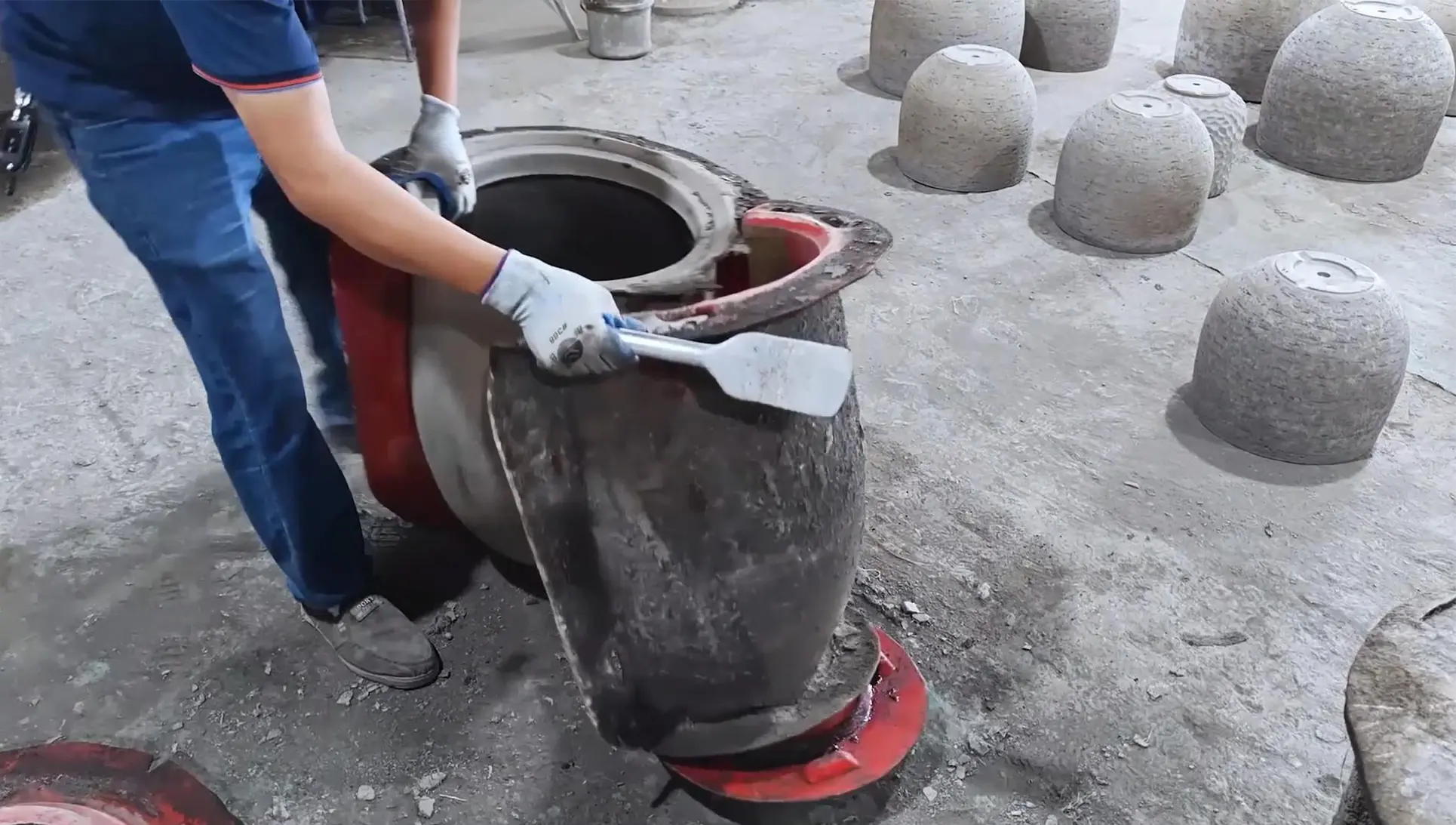
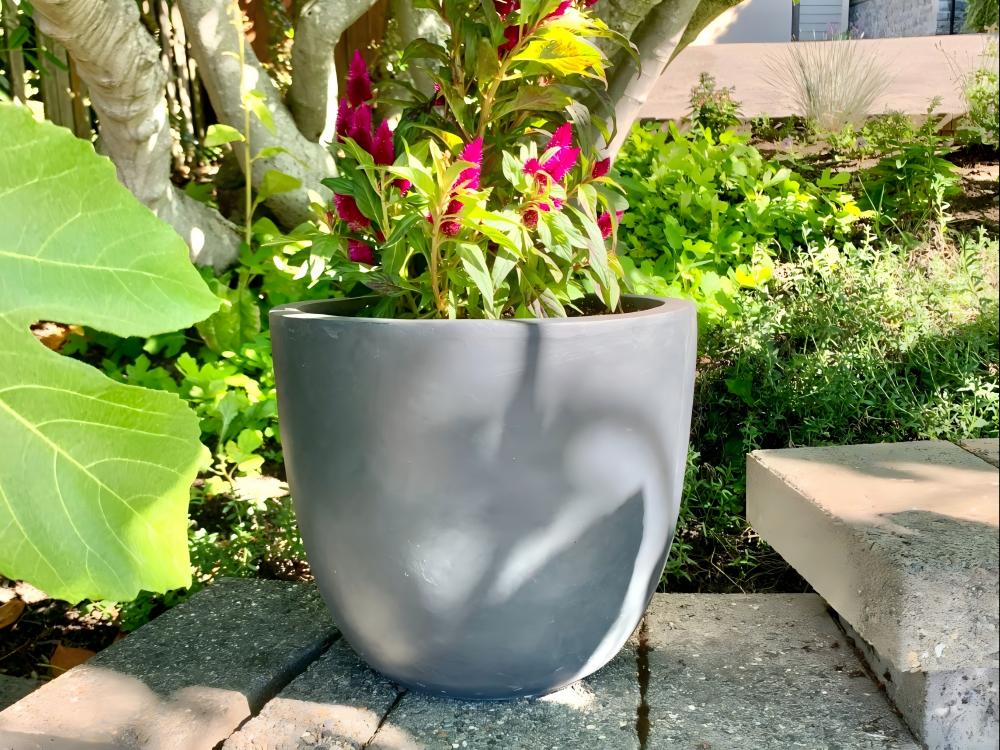
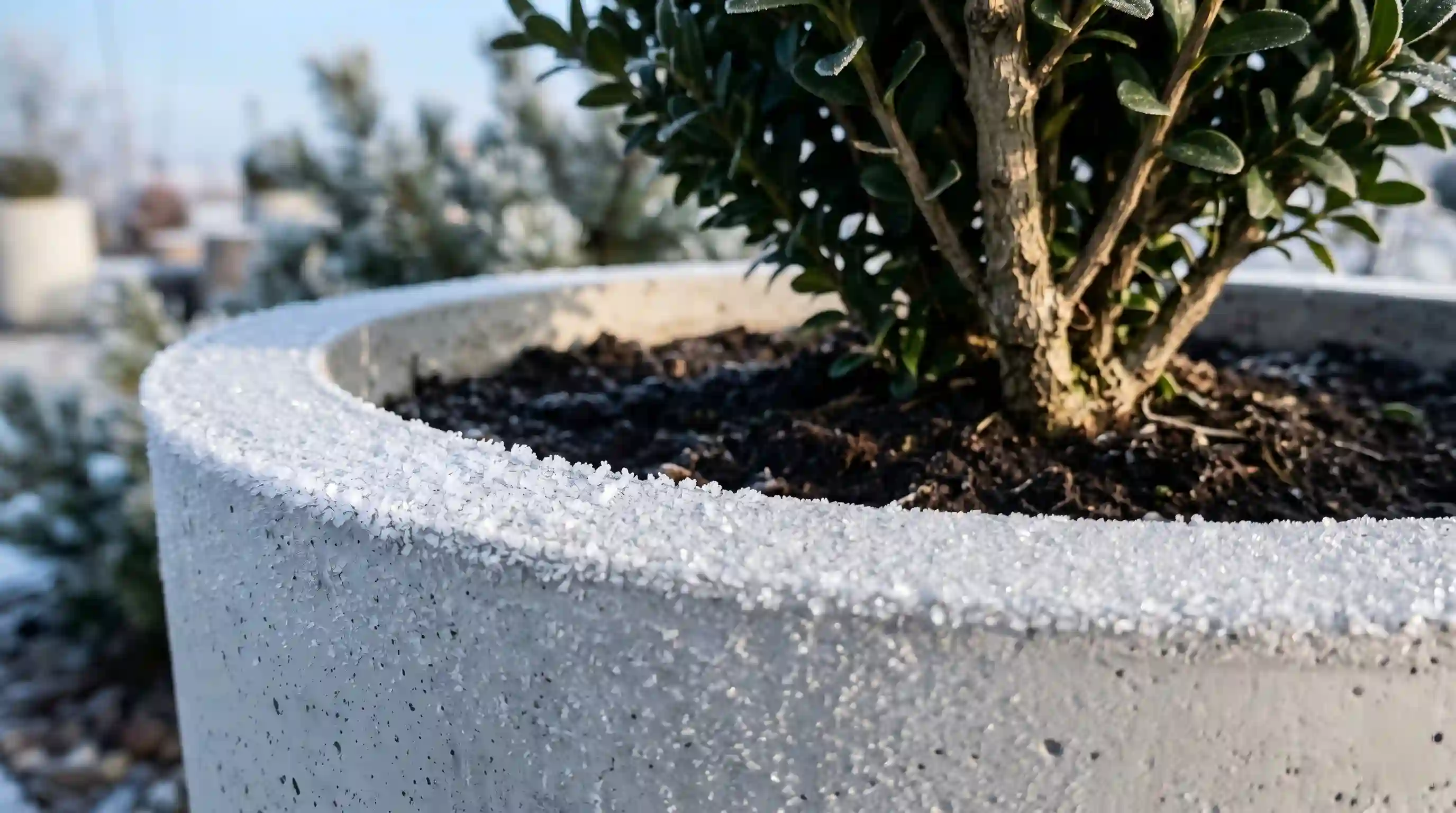
This is why top architects specify Glass Fiber Reinforced Concrete (GRC). Ronglin's GRC features a dense concrete matrix that acts as a powerful thermal insulator. Coupled with its natural microporosity, the vessel "breathes" safely. This unique combination buffers roots against freezing temperatures and prevents frost-heave from cracking the pot.
5. Sizing Up: Large & Raised Commercial Designs
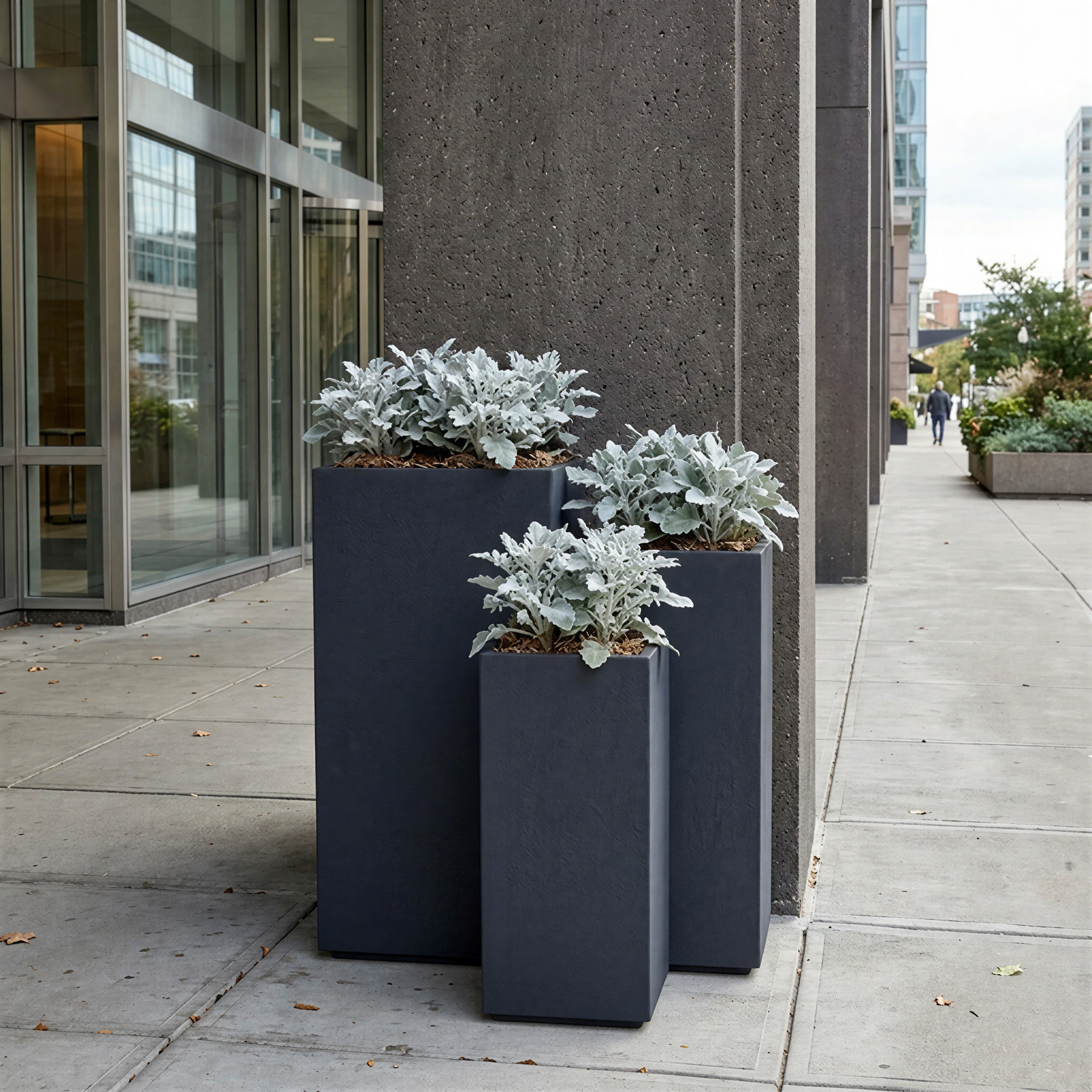
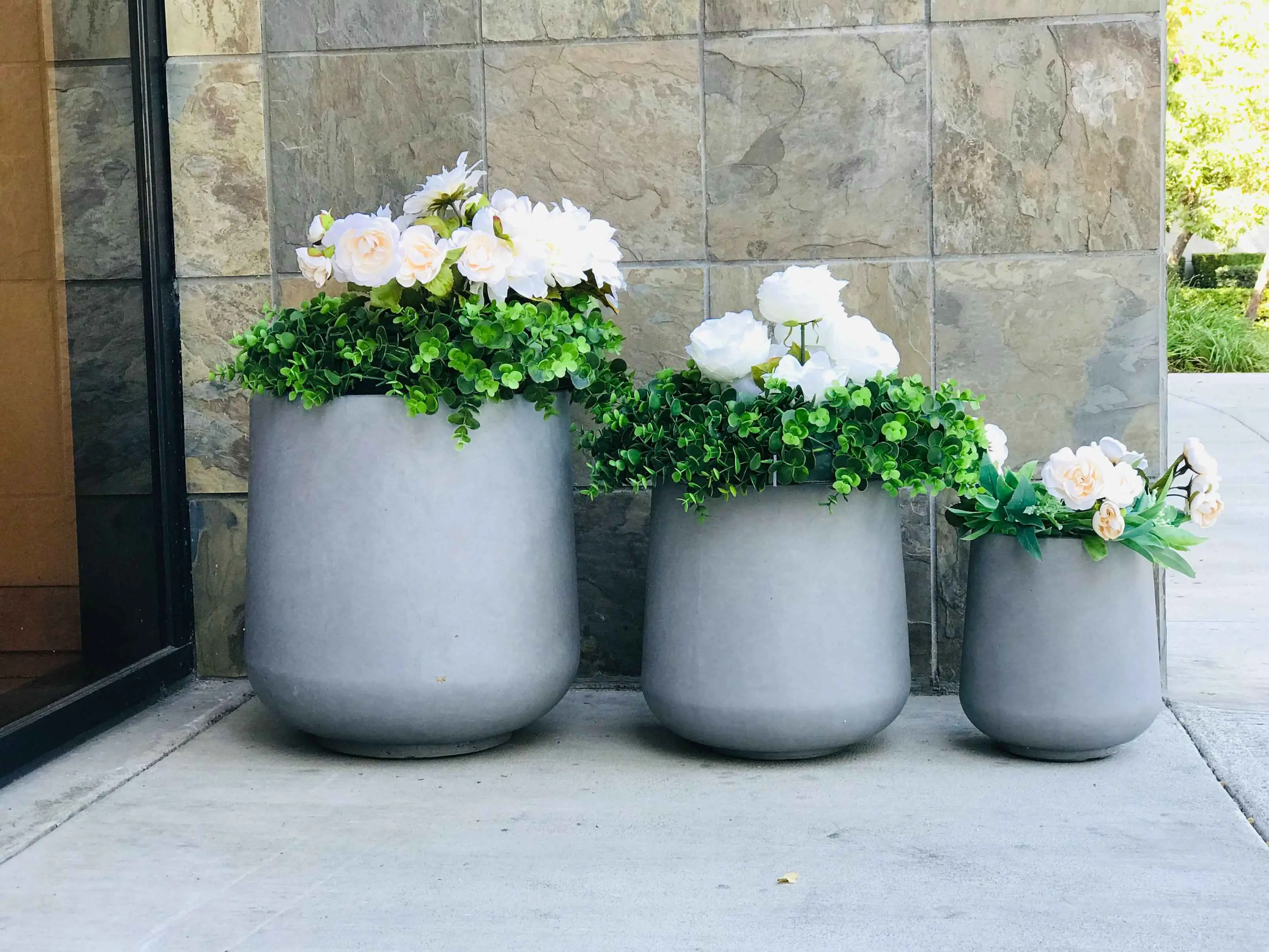
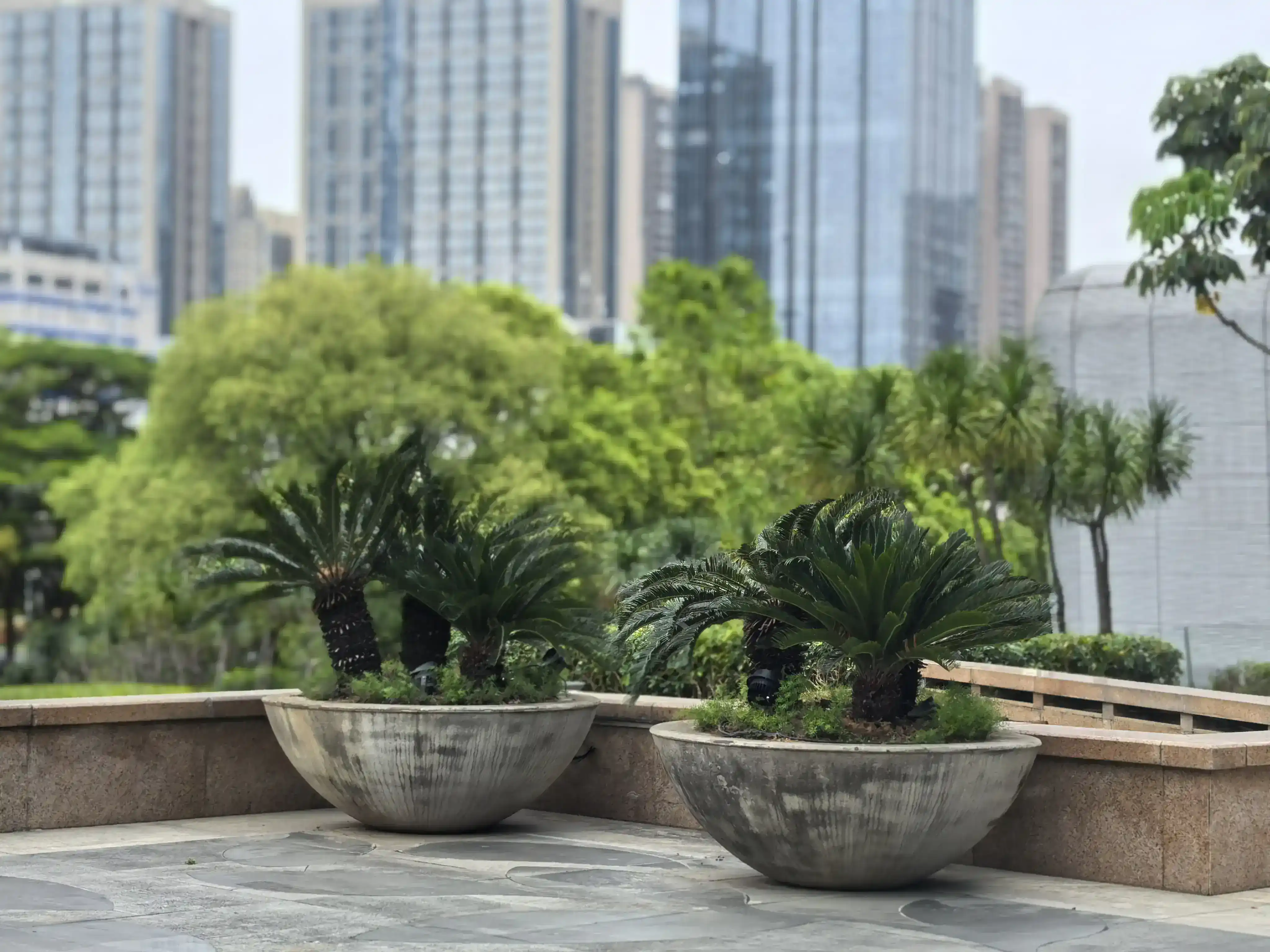
A frequent mistake is placing large trees in undersized containers. Large outdoor planters should provide ample volume for robust root expansion. Additionally, utilizing raised planter boxes or heavy-duty commercial shapes elevates the root zone away from freezing ground pavement, further enhancing drainage and frost protection.
Frequently Asked Questions (FAQs)
What does root rot look like in outdoor potted plants?
The most common visual signs are plant leaves turning yellow or brown, wilting despite the soil being wet, and a foul odor coming from the drainage area. Upgrading to breathable GRC pots with engineered drainage holes is the most effective preventative measure.
Are metal planters bad for plants in the summer?
Yes, metal (such as steel or aluminum) acts as a highly conductive heat sink. In direct sunlight, it transfers excessive heat into the soil, causing thermal shock to the root system. Concrete or GRC is a vastly superior alternative for temperature regulation.
How do you protect large outdoor planters from cracking in winter?
To prevent cracking, avoid thin-walled materials like fiberglass or low-quality terracotta. Choose heavy-duty materials with high thermal mass, ensure the drainage holes are unclogged so ice cannot expand inside, and consider elevating the pots slightly off the freezing pavement.
Invest in the Right Planter for Long-Term Health
Explore Ronglin's manufacturer-direct collection of breathable, frost-resistant GRC containers designed to safeguard your high-end commercial landscaping projects.
How do people in different countries define pots and planters?
Materials and Styles: Tall Modern Outdoor Planters for Your Home