How GRC Planters Are Made: Manufacturing and Quality Control

Commercial GRC planters are shaped by more than the material alone. Mold accuracy, fiber distribution, layer application, curing, drainage details, surface finishing and shipment planning all influence the consistency of the finished product. Understanding these stages helps wholesalers, landscape contractors and project buyers evaluate whether a planter can be produced reliably at the required size, finish and order volume.
GRC, also known as GFRC, stands for Glass Fiber Reinforced Concrete. We use a cement-based formulation containing pre-mixed chopped alkali-resistant (AR) glass fibers. The production method is then adapted to the planter's dimensions, mold geometry, finish and handling requirements rather than applying one fixed process to every design.
Watch: How a GRC/GFRC Planter Is Made in the Factory
This 3-minute 44-second factory video follows a representative planter from mold preparation through material application, curing, finishing, inspection and packing. It shows how the production stages connect, while the detailed method is still adjusted for each planter design and order.
Factory overview: from mold preparation and pre-mixed AR glass fiber material application to finishing, inspection and packing.
What the video covers
- Mold preparation and release work.
- Cement-based GRC mixing with pre-mixed chopped AR glass fibers.
- Material application, spreading and layer build-up.
- Initial curing, demolding and edge refinement.
- Continued curing and strength development.
- Approved color, texture and protective finishing.
- Visual, dimensional, drainage and packing checks.
Production note: The video is an overview rather than a fixed specification. Mix proportions, reinforcement sequence, wall design, curing routine and packing configuration are reviewed by model or project.
What commercial buyers should expect from a controlled GRC production process:
- A production plan based on the approved dimensions, shape, finish and intended application.
- A mold and layer-building method selected for the geometry and production difficulty.
- Curing and finishing procedures suited to a cement-based composite.
- Inspection of dimensions, drainage, surface appearance and shipment protection before dispatch.
How GRC Planters Are Made for Commercial Supply and Custom Projects
The following workflow explains how design information moves through mold preparation, material application, curing, quality checks and shipment planning. Exact production details can vary between a repeat wholesale collection and a one-off oversized planter, but the same principle applies: each stage should be planned around the product rather than treated as a generic casting job.
1. Material Composition and Production Planning
Material Basis
Our GRC formulation uses a cementitious matrix with fine aggregates, water, appropriate admixtures and chopped AR glass fibers. The fibers are pre-mixed into the material to reinforce the cement matrix throughout the planter body.
Product-Specific Engineering
Product performance depends on the formulation, geometry, application method, curing and intended use. Specifications are therefore reviewed by product or project instead of relying on one general material number.
Before production, the team reviews the information that affects manufacturing:
- Overall dimensions, shape and opening span.
- Surface texture, color and edge details.
- Drainage holes and any project-specific base design.
- Indoor, outdoor, rooftop or public-space application.
- Order quantity, packing method and transportation route.
Wall thickness is specified according to planter dimensions, geometry, intended application and handling requirements. A standard retail planter and an oversized engineering planter should therefore not be evaluated using the same fixed thickness.
2. Mold Preparation and Flexible GFRC Application
For repeat collections, an existing approved mold may be used after it has been checked for condition and dimensional accuracy. Custom sizes, profiles or textures may require a new mold based on drawings or an approved sample. The choice between rigid and flexible mold components depends on the shape, undercuts, surface details and release requirements.
Mold and Sample Confirmation
The mold establishes the planter's proportions, rim, corners and surface character. For a new custom design, confirming these details before volume production helps reduce dimensional inconsistency and avoids repeating a design error across an entire order.
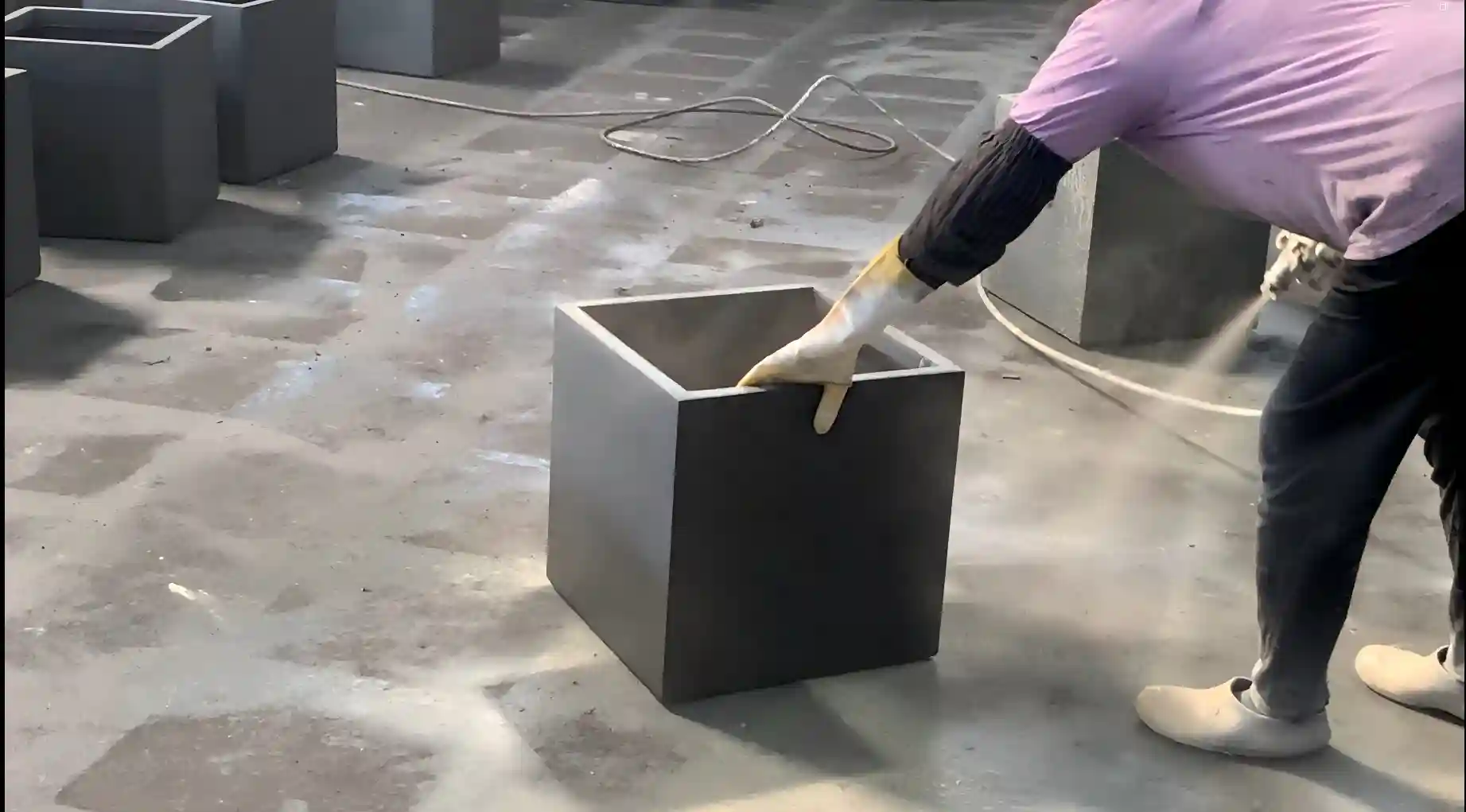
GFRC Application and Layer Build-Up
The prepared mixture already contains chopped AR glass fibers. Depending on the planter's dimensions, mold geometry and production difficulty, we may use a sprayed-premix process or combine the pre-mixed material with an additional direct spray-up step. The application sequence is adjusted to build consistent coverage around rims, corners, curves and other areas that require closer control.
Material placement and compaction are checked during layer build-up to limit voids and maintain continuity through the planter body. The objective is not to apply the thinnest possible shell, but to produce a practical balance of reduced weight, handling strength and the solid appearance expected from a cement-based planter.
3. Curing, Finishing and Quality Control
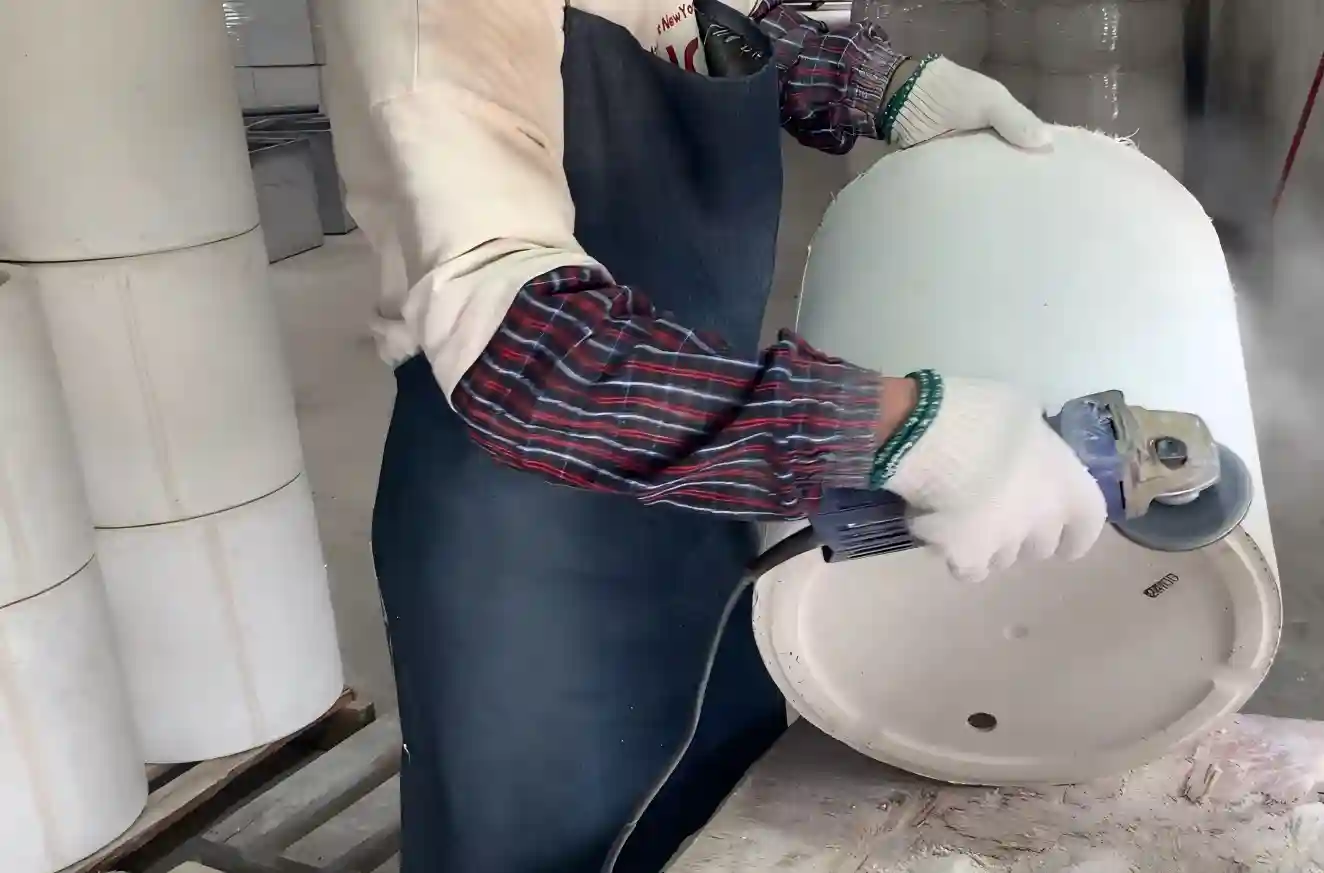
After forming, the planter enters a controlled curing stage. Because GRC is cement-based, premature moisture loss can affect strength development and surface quality. The curing routine is adjusted to the formulation, product size and production conditions before the planter is ready for demolding and finishing.
Once demolded, the planter is checked and prepared for its specified finish. Depending on the order, this may include surface refinement, color application, sealing or other approved decorative treatment. Natural tonal variation can be part of a cement-based finish, but the acceptable appearance should still be established before mass production.
Key Pre-Shipment Checks
- Dimensions and shape: overall size, opening, base and visible alignment.
- Rims and corners: areas most exposed during handling and installation.
- Drainage details: hole location and any agreed internal or base configuration.
- Surface finish: color direction, texture and visible workmanship against the approved reference.
- Order consistency: practical comparison across units produced for the same collection or project.
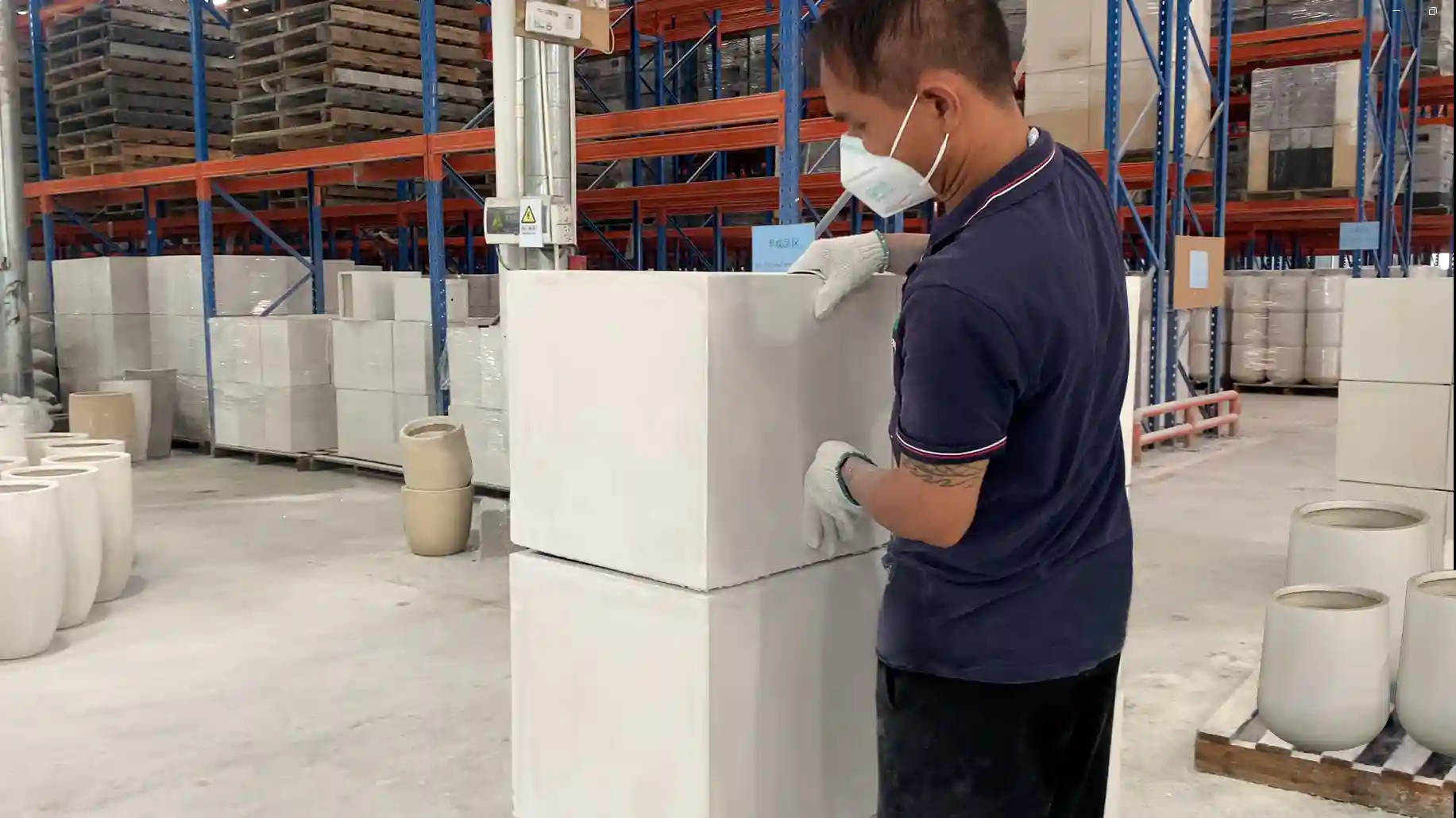
Curing supports strength development and helps prepare the planter for demolding and finishing.
4. Packaging Planning and Pre-Shipment Protection
Packaging should be planned around the product rather than selected from one standard formula. Planter size, shape, finish, edge exposure, order quantity, sales channel and transport route all affect the protection required. EPS foam, EPE cushioning, cardboard wrap, paper corner protection, strapping and pallet support may be used in different combinations after the shipment requirements have been reviewed.
For large or irregular custom planters, the packing plan should also consider lifting, container loading, inland handling and the sequence in which products will be unpacked at the destination. Final materials and packing specifications should be confirmed for the individual order and target market before shipment.
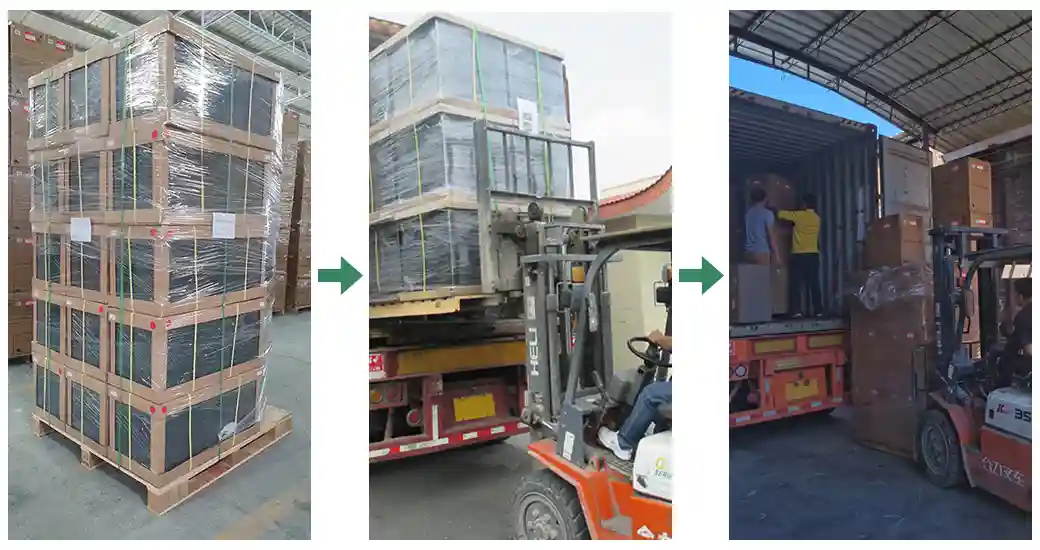
Packaging combinations vary by product, distribution model and destination requirements.
5. How the Application Changes Production Requirements
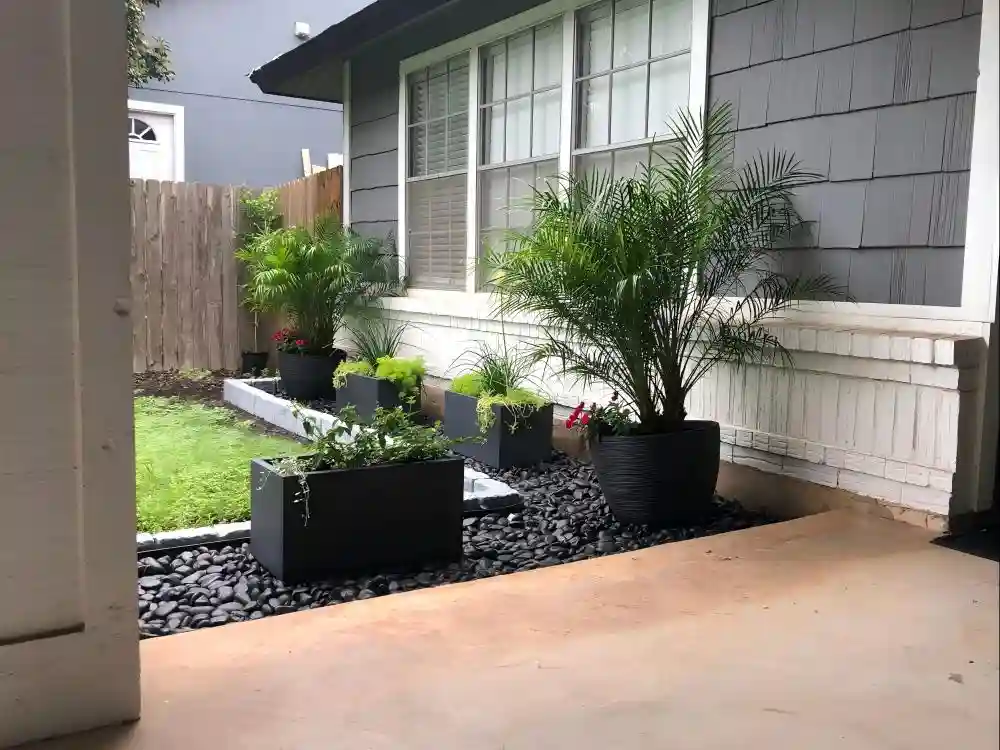
A planter designed for a repeat retail program does not pass through the same planning decisions as an oversized planter for a hospitality or rooftop project. Application affects dimensions, drainage, finish consistency, mold development, handling and packing.
Repeat Wholesale and Retail Collections
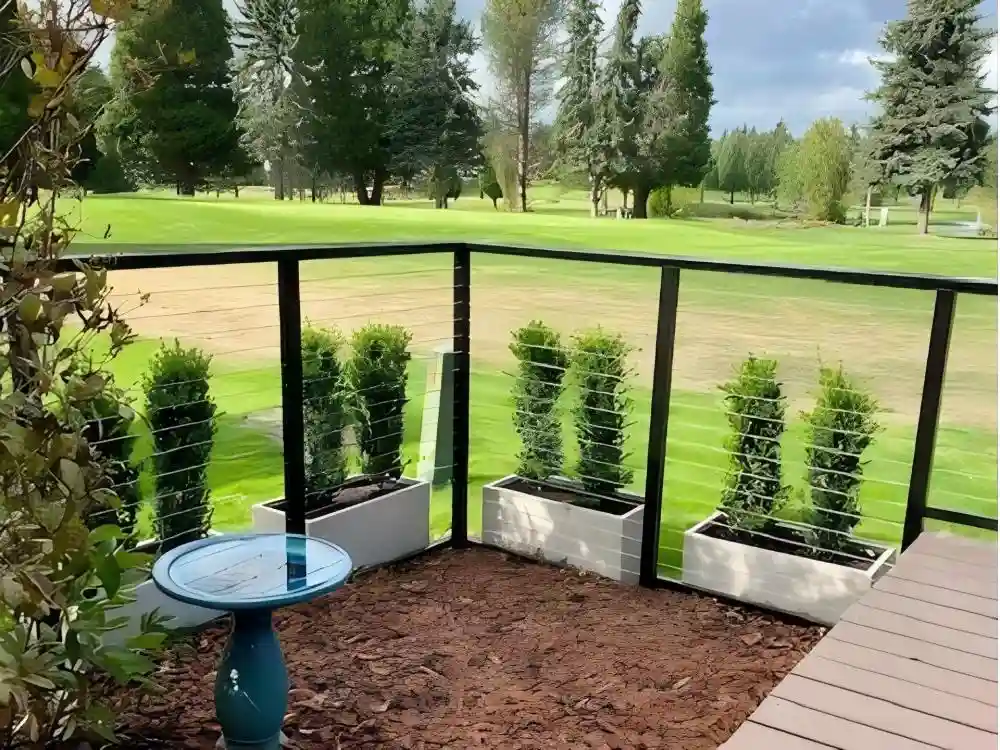
For a repeat planter collection, the main priorities are mold repeatability, finish direction, practical handling and packaging consistency across the order. Product dimensions and unit weight should be confirmed by model so buyers can plan assortment, storage and distribution accurately.
Outdoor Commercial and Rooftop Applications
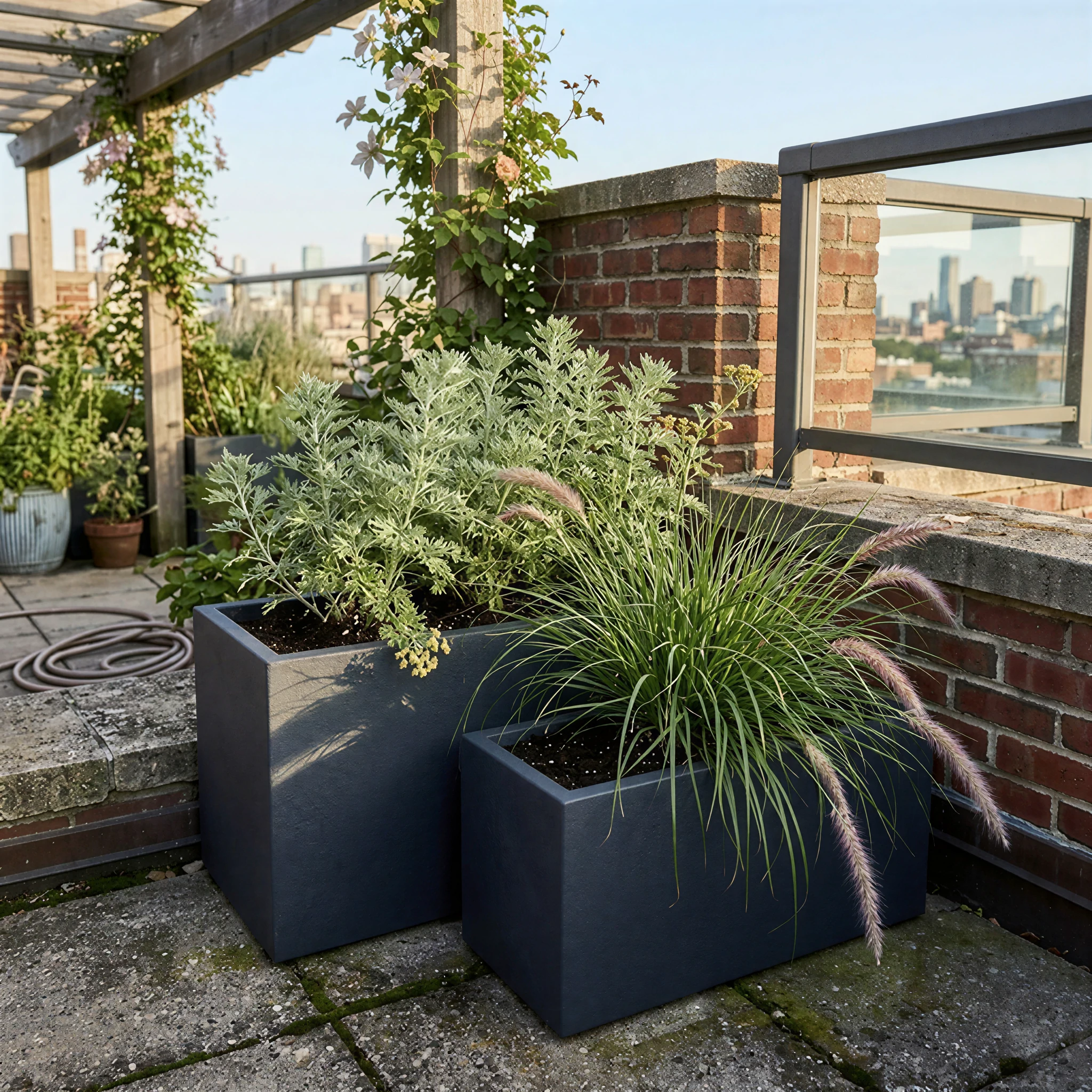
Outdoor projects require early confirmation of drainage, exposure conditions, finish expectations and installation constraints. Rooftop projects add another level of coordination because product weight, access, placement and planting loads must be reviewed as part of the wider project design rather than inferred from appearance alone.
See how large GRC planters were incorporated into the completed Changchun Garden rooftop project.

Oversized Planters for a Hospitality Landscape Project
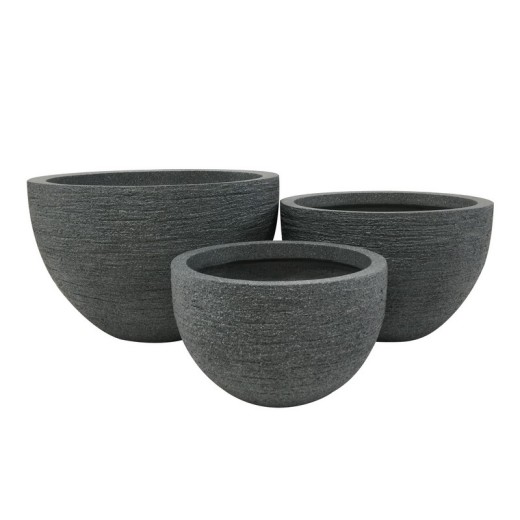
This completed hospitality project required large GRC bowl planters with a substantial architectural presence. The work involved project-specific mold preparation, large-format handling, surface-finish coordination and shipment planning. It demonstrates how production can be adapted when standard retail dimensions do not meet the design brief.
6. What Buyers Should Confirm Before Production
A clear specification reduces avoidable revisions and gives both the buyer and manufacturer a consistent reference during sampling and production. Before placing a wholesale or custom GRC planter order, confirm the following:
- Dimensions: external size, internal opening, base and any dimensional tolerances that matter to installation.
- Application: indoor, outdoor, rooftop, hospitality, retail or other commercial use.
- Finish: approved color direction, texture and acceptable natural variation.
- Drainage: hole quantity and location, plus any special internal or base requirements.
- Sample approval: which details must be signed off before mass production.
- Quantity and schedule: order volume, production milestones and required dispatch date.
- Packing and logistics: destination, sales channel, container plan and unloading constraints.
Discuss Your GRC Planter Requirements
We support repeat planter collections for wholesale supply as well as project-specific sizes, molds and finishes. Share the intended application, dimensions, quantity and target market so the production route can be reviewed before quotation.
Wholesale and Repeat Collections
Discuss models, quantities, finish direction and distribution requirements for repeat supply.
Discuss Wholesale RequirementsCustom and Engineering Projects
Submit drawings, dimensions, application details and finish references for a custom review.
Send Custom Project Details
What is a GRC Planter? The Ultimate Guide to Commercial GFRC