Everything You Must Know About Fiber Clay Pots: The Commercial Guide

While "fiber clay" planters are aggressively marketed in retail gardening for their natural concrete-like appearance and low price, commercial buyers often fundamentally misunderstand what this material actually is. As a premier Chinese manufacturer of engineering-grade landscaping infrastructure, Ronglin Garden constantly audits material lifecycles. This guide reveals the chemical reality of fiber clay—separating retail marketing from commercial truth—and explains why large-scale projects strictly mandate GRC (Glass Fiber Reinforced Concrete) instead.
Engineering Directory: Unmasking Fiber Clay
1. What Exactly is Fiber Clay? (The Magnesium Oxide Reality)
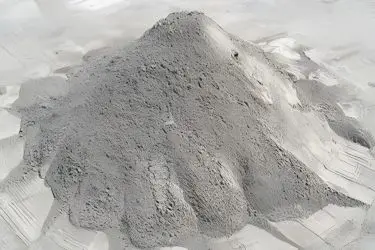
Retail buyers assume "clay" means natural pottery, but fiber clay is largely a chemical magnesia compound.
The biggest myth in the planter industry is the name itself. Fiber clay does not contain natural terracotta or kiln-fired pottery clay.
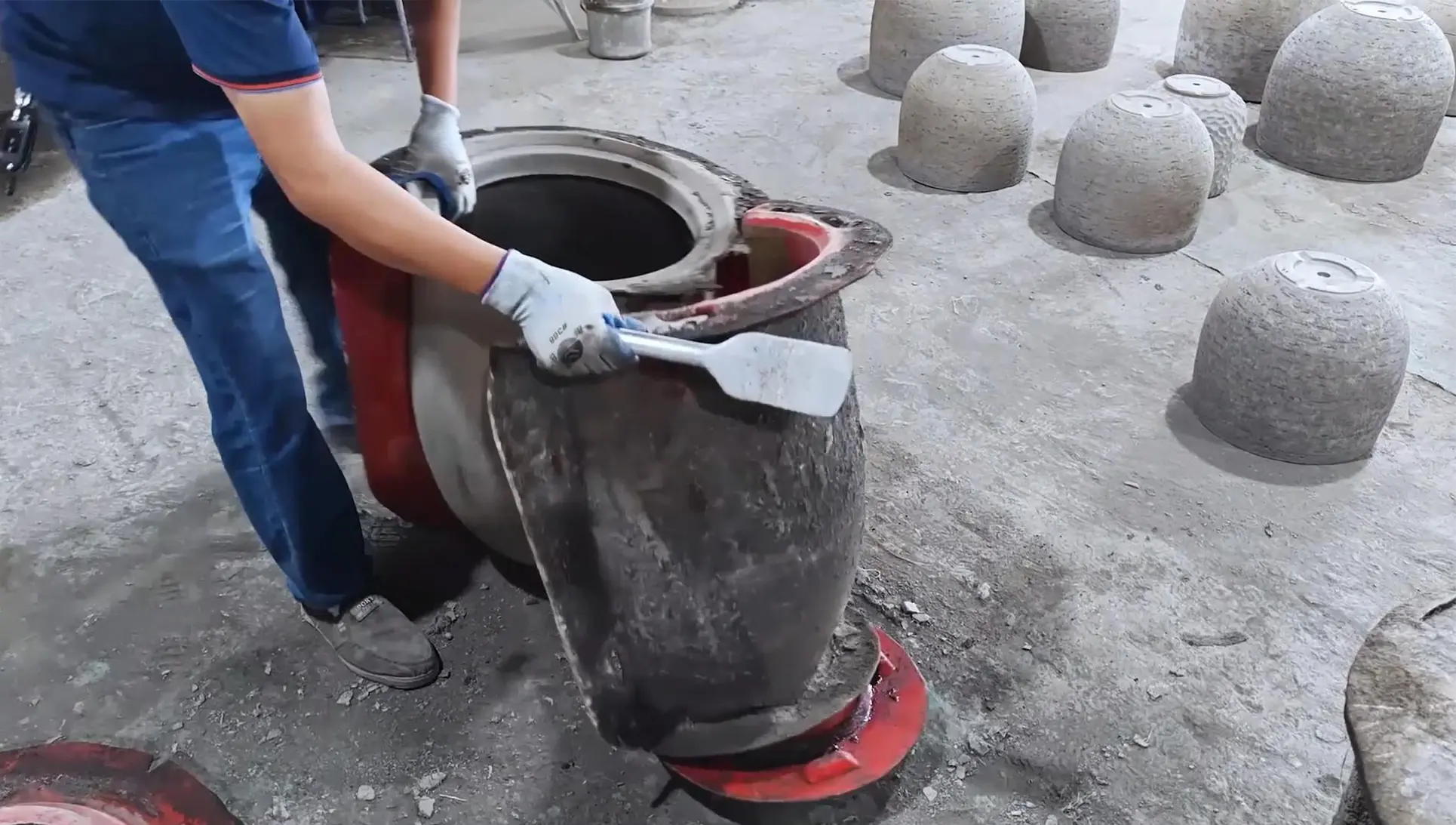
In manufacturing terms, fiber clay is actually Magnesia Cement (or Magnesium Oxide / MgO). It is a cold-cured composite material made by mixing magnesium oxide powder, magnesium chloride (or sulfate) solutions, and fiberglass mesh.
What's Actually Inside?
- Magnesium Oxide (MgO): The primary binding agent in the mixture.
- Chloride/Sulfate Solutions: The chemical catalyst that forces the magnesia to harden without kiln firing.
- Fiberglass Mesh: Used to temporarily prevent structural cracking.
- Fillers: Stone dust or talc to simulate a "concrete" or "natural clay" texture.
2. The Fatal Flaws of Fiber Clay in Commercial Environments
Because magnesia cement cures chemically at room temperature, it is incredibly cheap and fast to produce. This makes it a highly profitable material for retail garden centers. However, for a high-value commercial real estate project, specifying standard fiber clay introduces measurable structural liabilities.
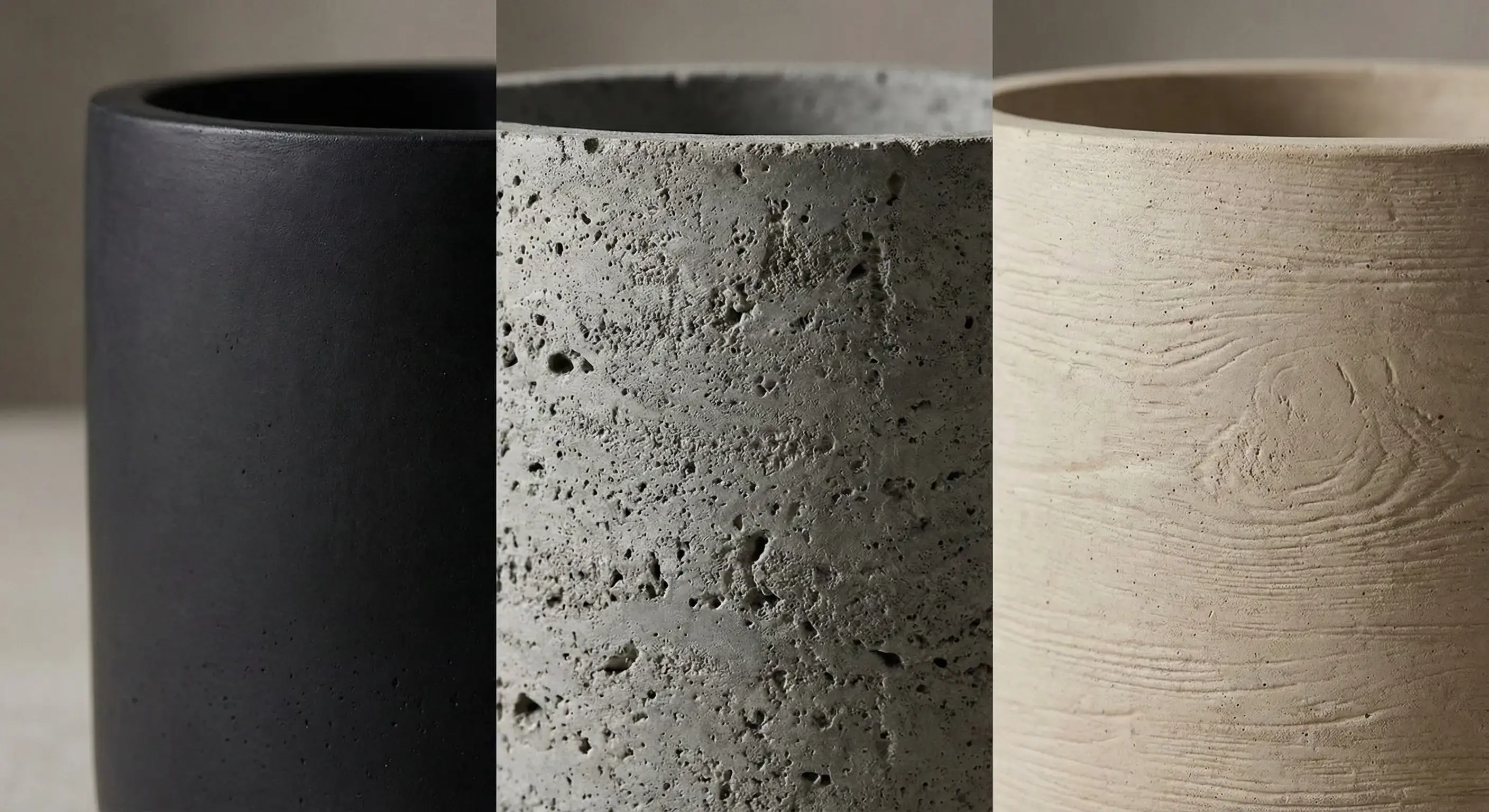
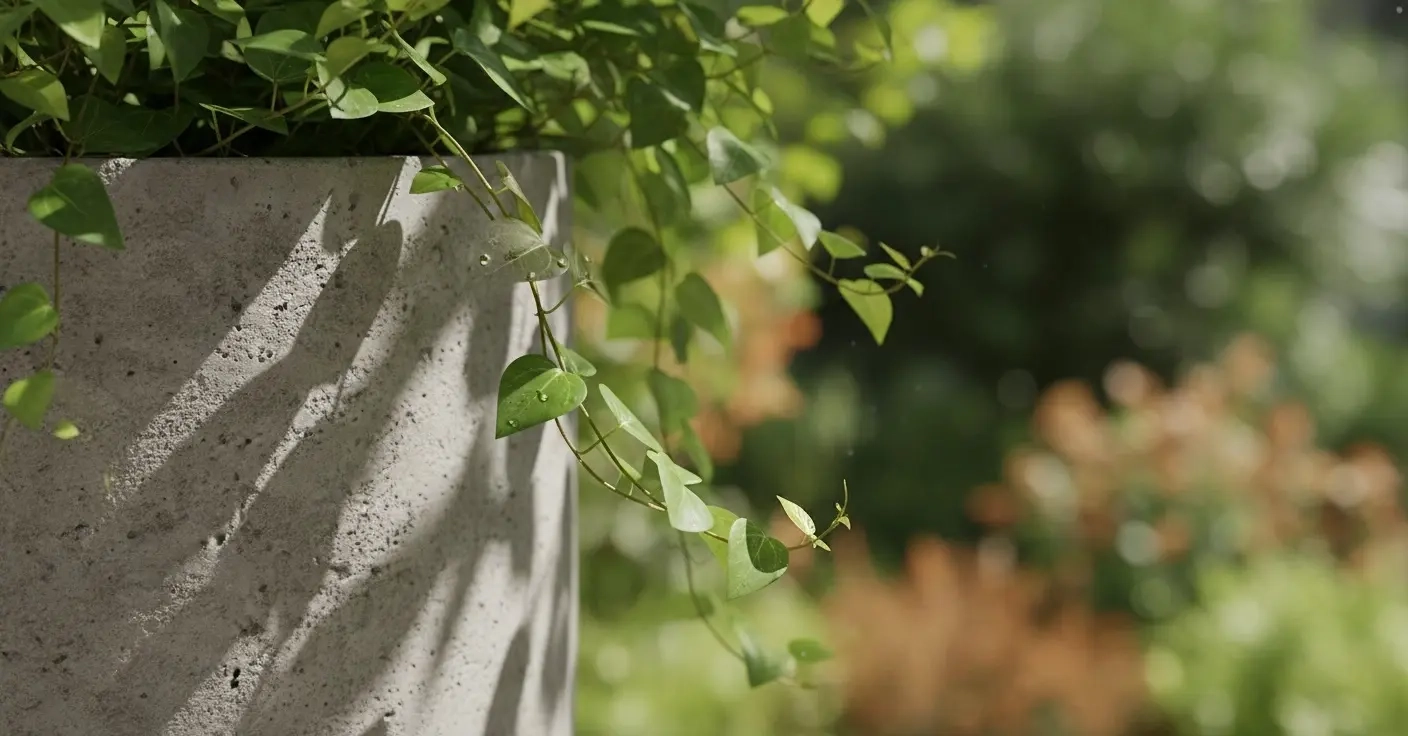
Unlike fiber clay which degrades and "sweats" salts, true engineering-grade finishes remain chemically stable year-round.
Quantified Commercial Failures of MgO
| The Commercial Risk | The Chemical Root Cause | The Engineering Solution |
|---|---|---|
| Efflorescence (Salt Leaching) | Magnesia cement has poor water resistance. When rained on, unreacted chlorides dissolve and "sweat" out, leaving white powdery stains that can ruin hotel flooring. | Specify non-leaching, pure Portland-based GRC for high-end flooring protection. |
| Freeze-Thaw Disintegration | General MgO structures often fracture below -5°C. Trapped moisture expands when frozen, shattering the weak magnesia matrix from the inside out within a few winters. | Upgrade to commercial GRC, which is specifically engineered to endure severe sub-zero climates. |
| Scale & Fragility Limits | Standard fiber clay typically caps at a compressive strength of only 15-30 MPa, making oversized "Jumbo" municipal designs structurally unsafe and prone to splitting. | Utilize industrial-grade GRC that multiplies this compressive capacity to safely hold mature arbors. |
3. Chemical Comparison: Fiber Clay (MgO) vs. True GRC (Portland)
If fiber clay attempts to mimic concrete, why do architects consistently specify GRC (Glass Fiber Reinforced Concrete) for high-end properties? The crucial difference lies in the core binding agent. GRC utilizes high-grade Portland Cement—the same permanent, water-resistant binder trusted to build civic dams and skyscrapers.
- Fiber Clay (Magnesia Cement): Inherently moisture-sensitive over time. Vulnerable to salts, frost expansion, and physical deterioration. Optimized for short-term retail lifecycles.
- Ronglin GRC (Portland Cement): Chemically stable and permanently weather-resistant. Fortified with alkali-resistant glass fibers to achieve the massive structural integrity required to secure heavy trees on wind-sheared rooftops.
4. The Pivot: Why Architects Strictly Specify Ronglin GRC
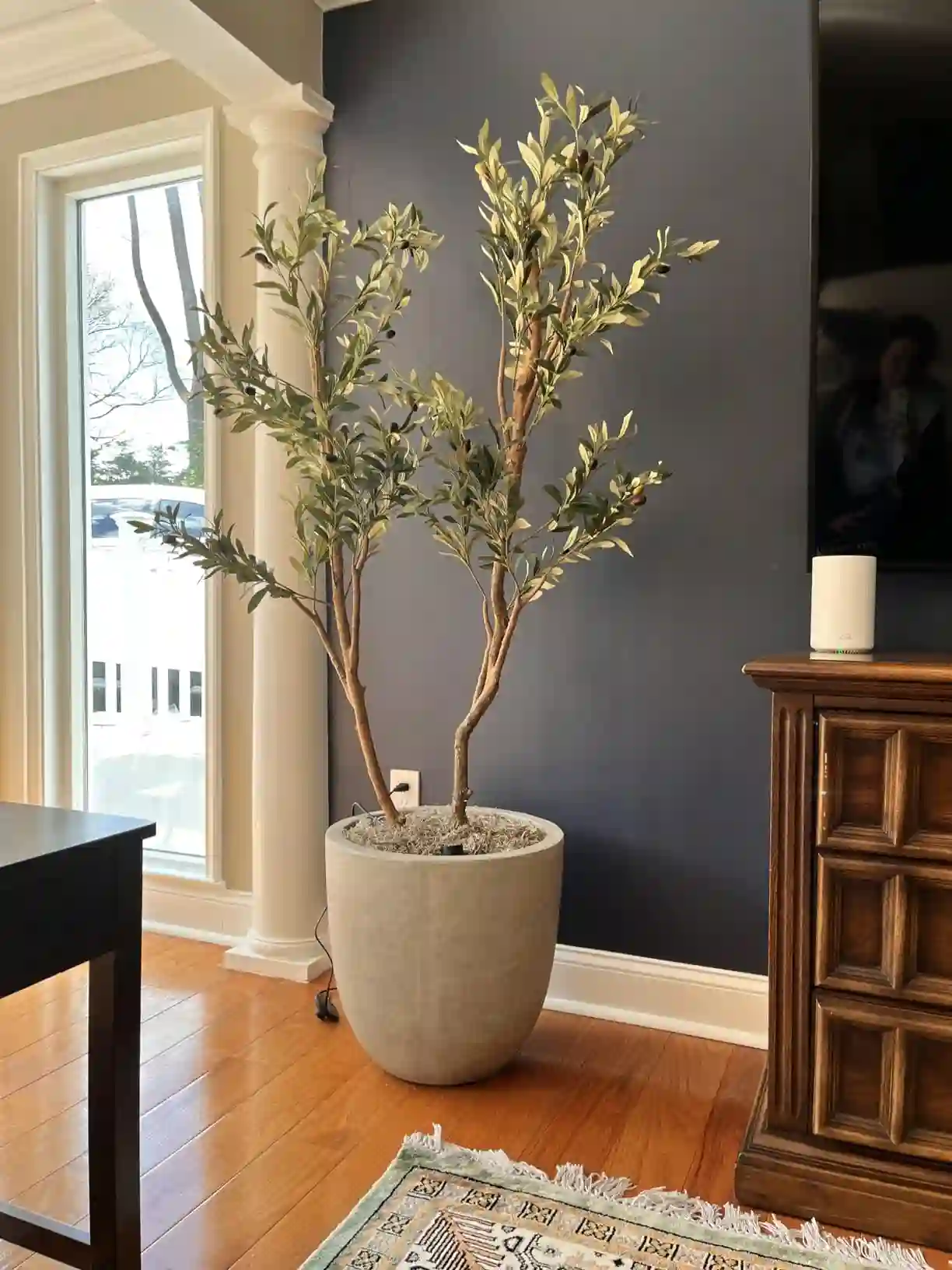
To eliminate the liability of cracking pots and ruined aesthetic landscapes, global developers partner directly with Ronglin Garden. We engineer pure Portland-based GRC planters that deliver the exact organic texture that architects desire, but with the extreme structural reliability required for public infrastructure.
The Ronglin Engineering Advantage
- Resilience in Extremes: Engineered to perform flawlessly across extreme climate spectrums, from freezing winters to intense desert heat, without structural fatigue.
- Surface Integrity: Our dense matrix and advanced sealants prevent efflorescence, ensuring building aesthetics and surrounding hardscapes remain pristine.
- Monumental Scale: Superior industrial-grade tensile strength allows us to seamlessly manufacture massive custom planters for complex civic developments like sunken plazas and corporate campuses.
5. Commercial Procurement Guide
The Bottom Line: Reserve fiber clay for seasonal retail displays or small, protected indoor residential settings. If your project demands a resilient, long-term lifecycle in high-traffic public spaces, luxury hospitality venues, or outdoor streetscapes, Ronglin GRC is the definitive investment.
Upgrade Your Bill of Materials to Commercial GRC
What is a GRC Planter? The Ultimate Guide to Commercial GFRC
Buying Guide for Planters and Pots Sizes, Materials, and Styles