What is a GRC Planter? The Ultimate Guide to Commercial GFRC

In the architecture and commercial landscaping communities, "GRC" is more than just an acronym—it is the material defining modern exterior design. Discover what makes Glass Fiber Reinforced Concrete the ultimate choice.
Executive Insight: Why Specify GRC?
GRC stands for Glass Fiber Reinforced Concrete (also known as GFRC). By integrating alkali-resistant glass fibers into a cementitious matrix, manufacturers create quality GRC planter boxes that are 50% lighter than traditional concrete, completely frost-proof, and capable of extreme architectural customization.
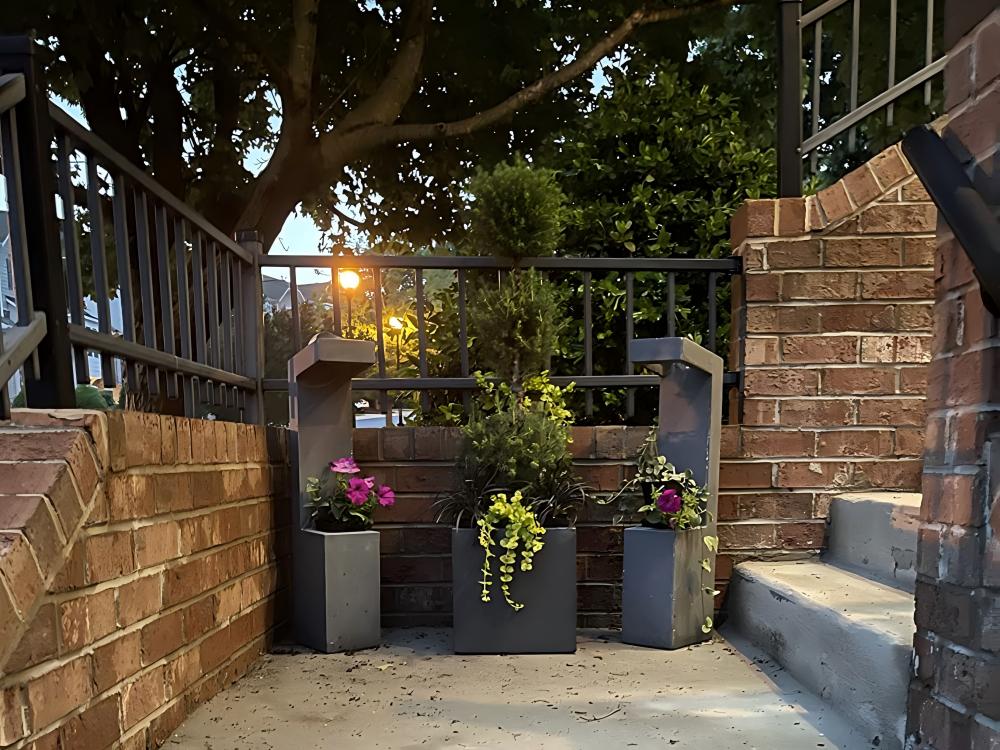
1. What Exactly is a GFRC Planter?
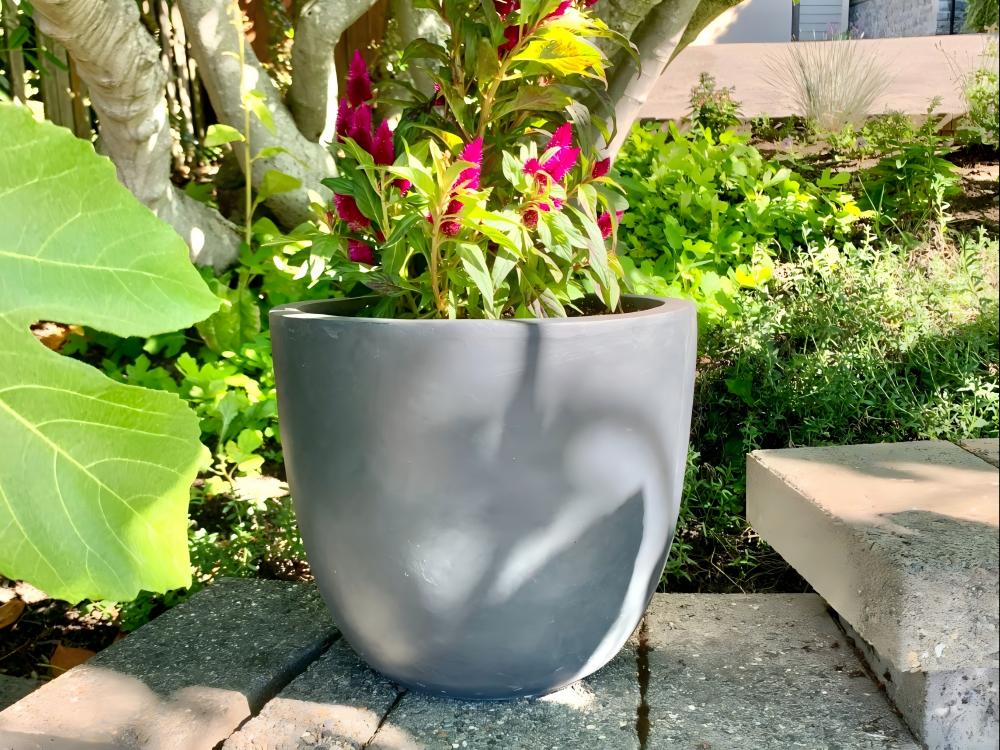
A GFRC planter box is a premium planting container manufactured from a highly engineered composite. The mixture consists of fine aggregates, cement, water, specialized polymer additives, and the most critical ingredient: alkali-resistant glass fibers. Originally developed decades ago for lightweight architectural cladding, this material has revolutionized the horticultural industry.
Unlike traditional poured concrete that relies on bulky steel rebar for tensile strength, GRC uses millions of dispersed glass fibers. This creates a dense, impact-resistant shell that looks and feels like authentic stone but performs with modern industrial efficiency.
2. Engineering Breakdown: GRC vs. Traditional Concrete
| Specification | Engineered GRC | Traditional Poured Concrete |
|---|---|---|
| Wall Thickness | 10mm - 15mm (Ultra-thin yet strong) | 50mm+ (Bulky, steals soil volume) |
| Structural Weight | Lightweight (At least 50% lighter) | Extremely heavy |
| Freeze-Thaw Resistance | Exceptional (Low porosity) | Prone to winter cracking & spalling |
| Design Capability | High precision molds, seamless curves | Basic shapes, rough textures |
Bespoke Design & GFRC Planter Molds
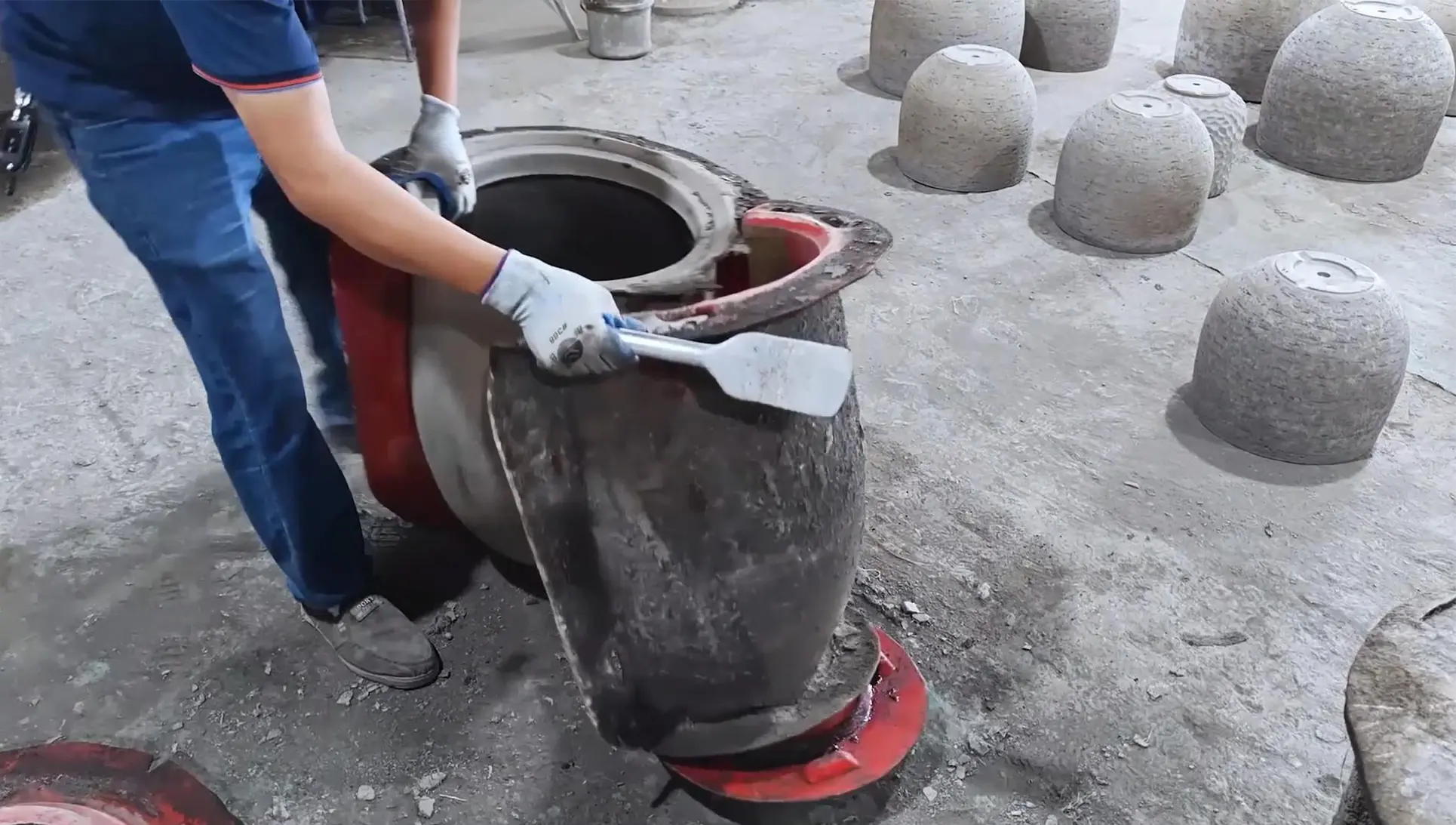
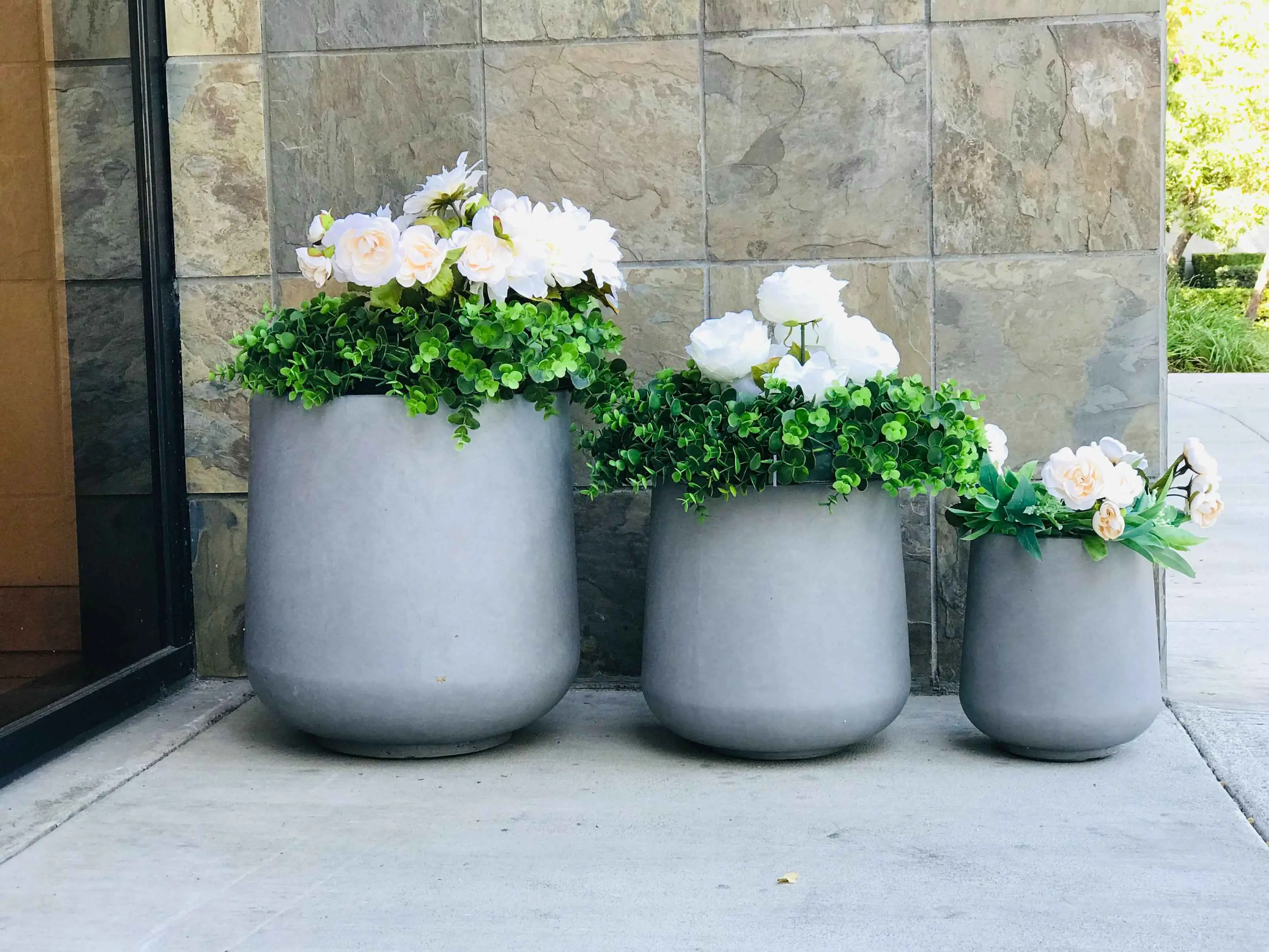
Because of the material's adaptability, Ronglin utilizes high-precision gfrc planter molds. This allows for the mass production of custom grc planter boxes in exaggerated sizes (40cm+ diameters) or intricate geometric textures that standard concrete cannot achieve.
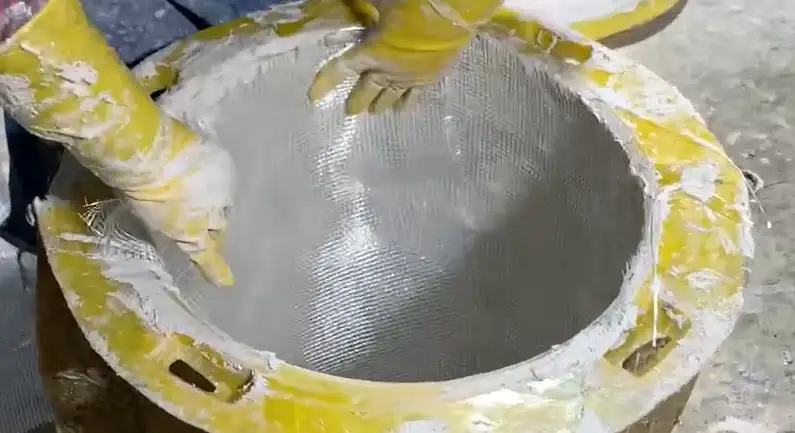
Process: The high-precision GFRC mold and alkali-resistant glass fiber matrix.
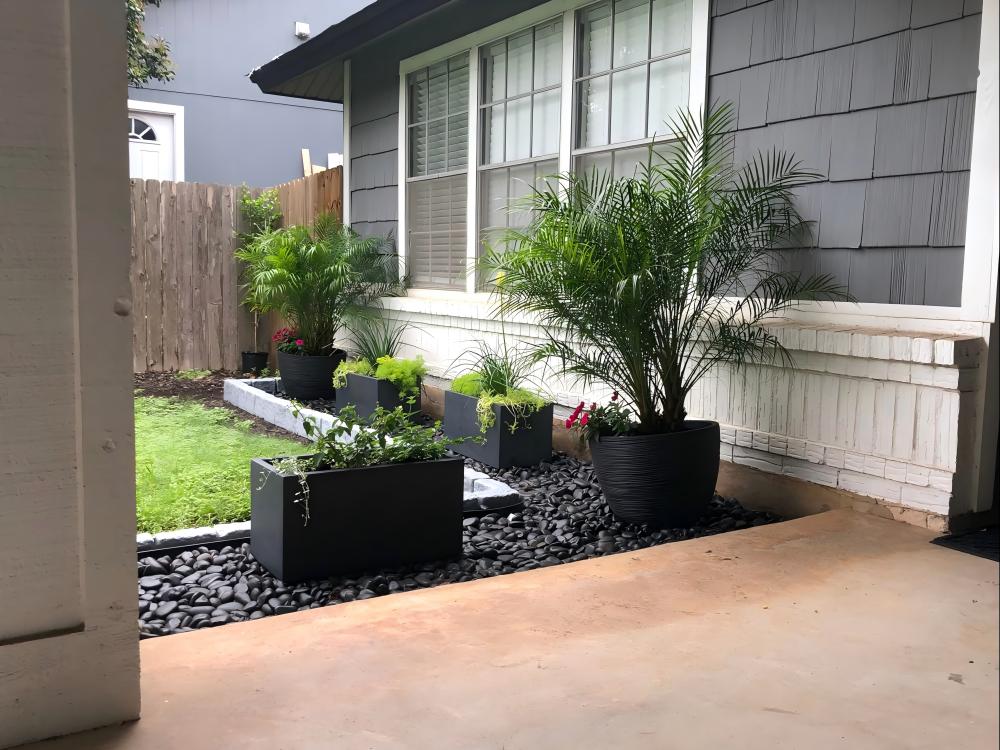
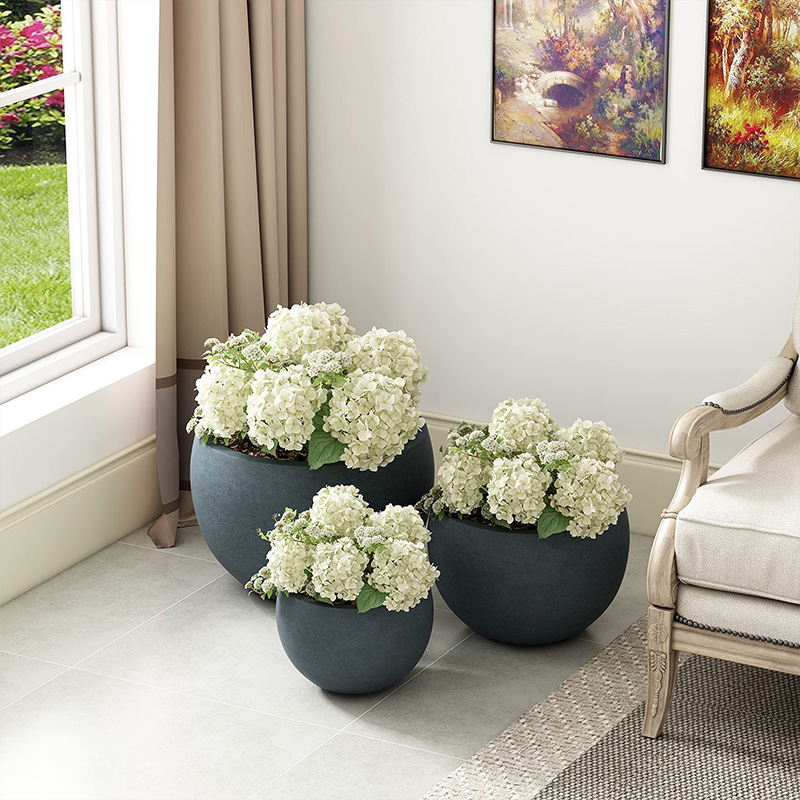
Application: Minimalist indoor dark GFRC planter.
Real-World Engineering: The Rooftop Advantage
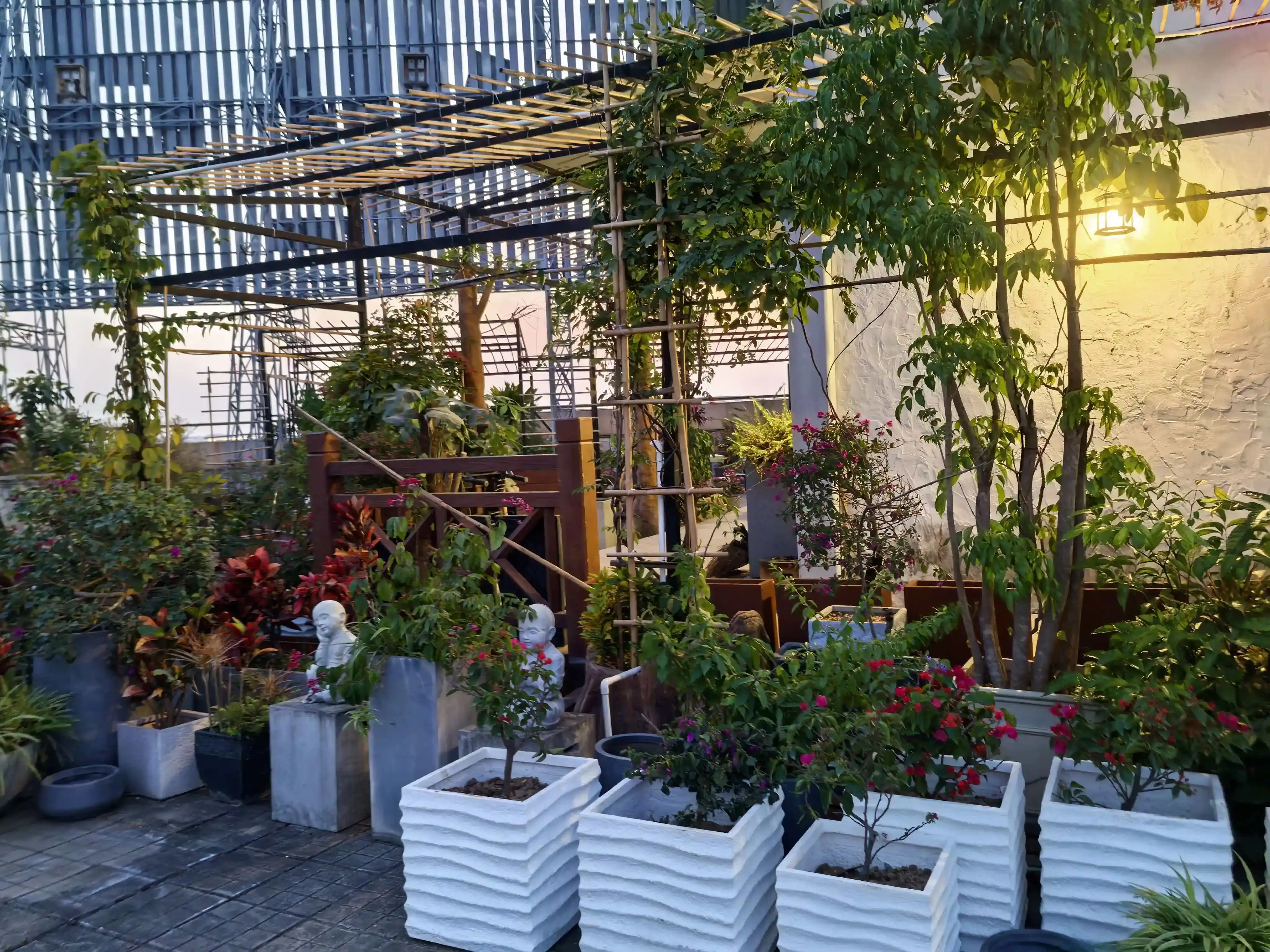
Take demanding structural environments like the corporate rooftop project at Changchun Garden. In such high-altitude installations, calculating dead load is critical. By deploying engineered GRC planters, the landscape architecture team was able to achieve massive, monolithic tree installations without compromising the building's structural integrity or exceeding weight limits.
3. The Commercial Buyer's Checklist: Spotting Authentic GRC
How do you identify authentic, high-grade GRC in a market flooded with cheap imitations? Look for these engineering hallmarks before procuring for your next project:
🔊 Acoustic Resonance
Tapping the rim of a true GRC pot reveals a crisp, high-pitched, resonant tone due to the dense fiber matrix, unlike the dull thud of pure cement.
✋ Tactile Quality
The surface should feel remarkably smooth and refined, often featuring a subtle, organic indoor dark gfrc planter aesthetic that glossy plastics cannot replicate.
🔍 Visual Fiber Inspection
Authentic GRC commands a premium. If you inspect the unpainted interior or drainage holes, you will often spot faint, microscopic glass fiber strands embedded in the cement.
Extreme Weather & Global Tolerance
Ronglin supplies commercial-grade solutions globally, meeting strict architectural standards from Sydney, Australia to Auckland, New Zealand, and across the US. Because of its low porosity, GRC excels in freeze-thaw cycles. For a deep dive into winter survival, read our definitive guide on extreme weather outdoor planters.
4. Maintenance & Engineering Solutions
Maintaining GRC is incredibly simple. It requires only periodic cleaning with fresh water. Never use acidic or highly alkaline cleaners, as they will etch the concrete finish.
However, the survival of your plants depends heavily on the internal design of the pot. A high-quality container must breathe and evacuate excess water effectively. To understand how we engineer our vessel bases—including false bottoms for luxury interiors—explore our whitepaper on commercial planter drainage solutions.
The Verdict: A Sustainable Legacy
GRC is not just a container; it is a planet-positive, recyclable investment for modern commercial landscaping.
Source Quality GRC PlantersHow GRC Planters Are Made: Manufacturing and Quality Control
Everything You Must Know About Fiber Clay Pots: The Commercial Guide