Commercial Planter Drainage Engineering: Internal Structures & Solutions

Precision engineering inside and out. Explore how custom internal structures, false bottoms, and advanced drainage geometry protect your commercial landscape assets.
Executive Summary: Commercial Drainage Solutions
- Asset Protection: Proper drainage prevents anaerobic root rot, saving expensive mature trees and landscape greenery from premature death.
- Structural Engineering: It's more than just a hole. Advanced internal structures dictate the efficiency of water management in large exterior vessels.
- Indoor Environments: For luxury malls and hotels, utilizing an indoor planter false bottom ensures healthy aeration while preventing leaks onto expensive flooring.
Engineering Directory
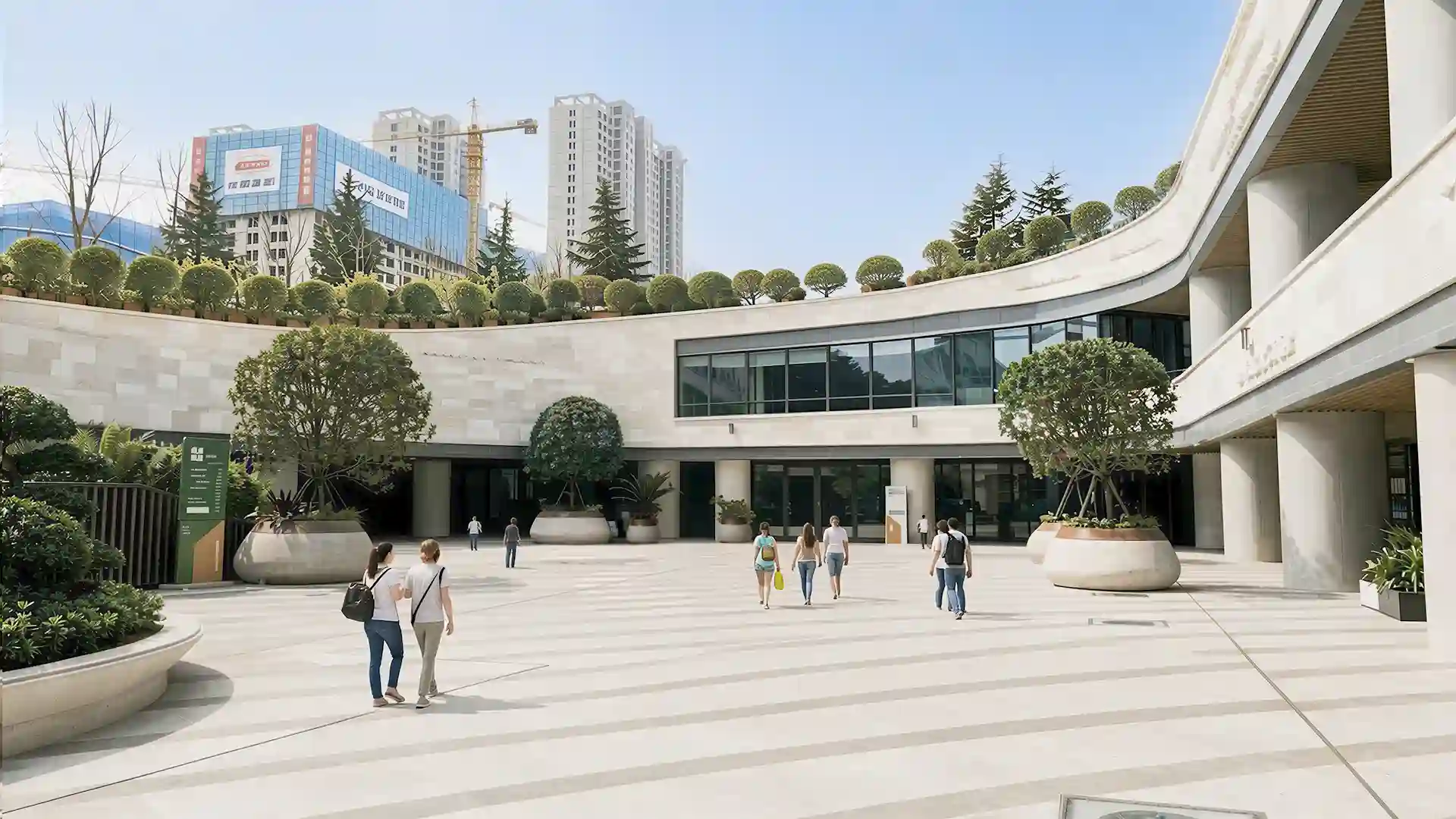
In large-scale architectural projects, a planter is not just a container; it is a micro-ecosystem. While standard gardening blogs focus on watering schedules, landscape architects and property managers face a much costlier challenge: water management. Specifying plant pots with drainage is the single most critical factor in preventing thousands of dollars in root rot, soil stagnation, and pavement damage. At Ronglin, we treat drainage as a highly customizable commercial solution.
1. The Hidden Cost of Poor Drainage in Commercial Real Estate
Standard containers without engineered water-escape routes create catastrophic issues in commercial settings. When excess water collects at the base of a massive concrete or fiberglass pot, it displaces oxygen. This creates an anaerobic environment where root rot thrives, quickly killing expensive, mature specimen trees.
Furthermore, without proper commercial planter drainage solutions, stagnant water can expand during winter freezes, cracking the pot from the inside out, or overflow and stain expensive plaza pavements with soil tannins. It is a massive liability masquerading as a minor detail.
2. The Anatomy of Professional Drainage: Internal Engineering
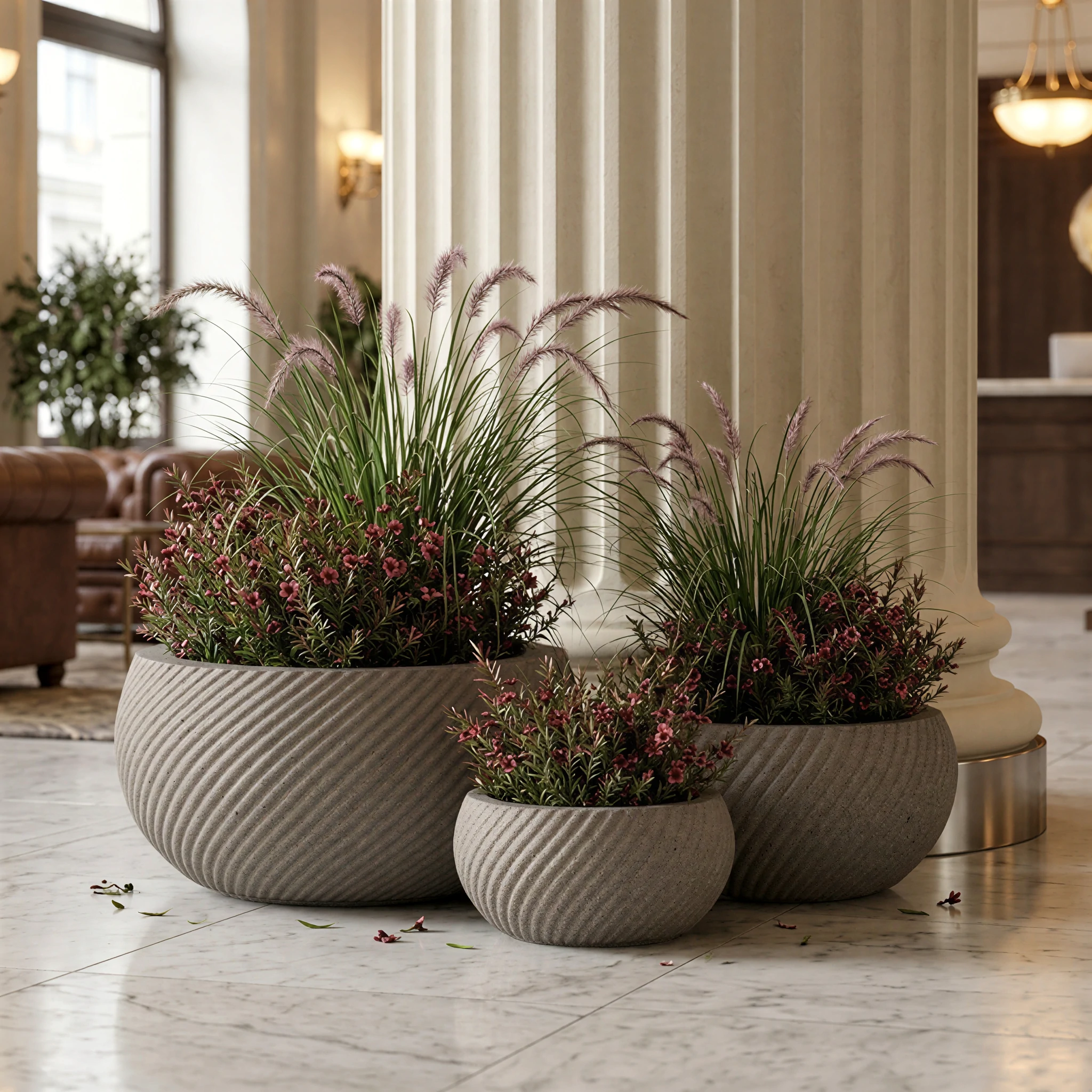
Different environments demand different internal vessel architectures. A simple hole drilled into the bottom of a pot is not engineering. Below is the technical breakdown of how Ronglin’s bespoke internal designs dictate drainage efficiency:
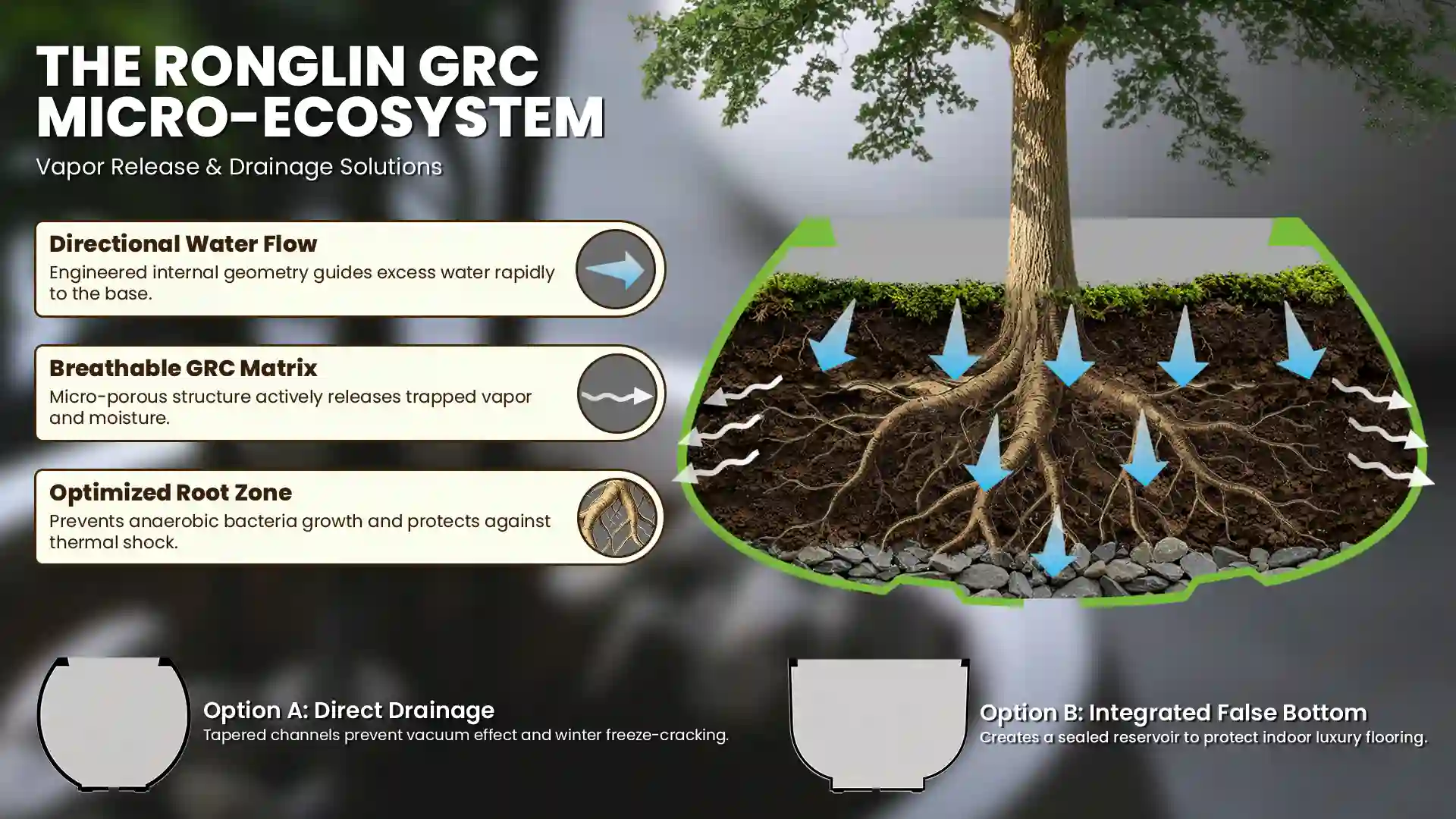
Option A: Direct Drainage
For large exterior GRC vessels, we utilize pre-cast tapered channels. This directional geometry prevents the "vacuum effect" and ensures that if water freezes during winter, it does not clog the exit path or fracture the base.
Option B: False Bottoms
Critical for indoor commercial solutions. By integrating an internal shelf, we create a sealed reservoir at the base. This supports root aeration while reducing leakage risk on luxury hotel, mall, and office flooring.
Sub-Irrigation Integration
Modern maintenance teams require efficiency. Our internal designs can integrate capillary water wicks and aeration tubes, creating a low-maintenance, self-watering ecosystem for large-scale installations.
3. The Ronglin Manufacturing Difference
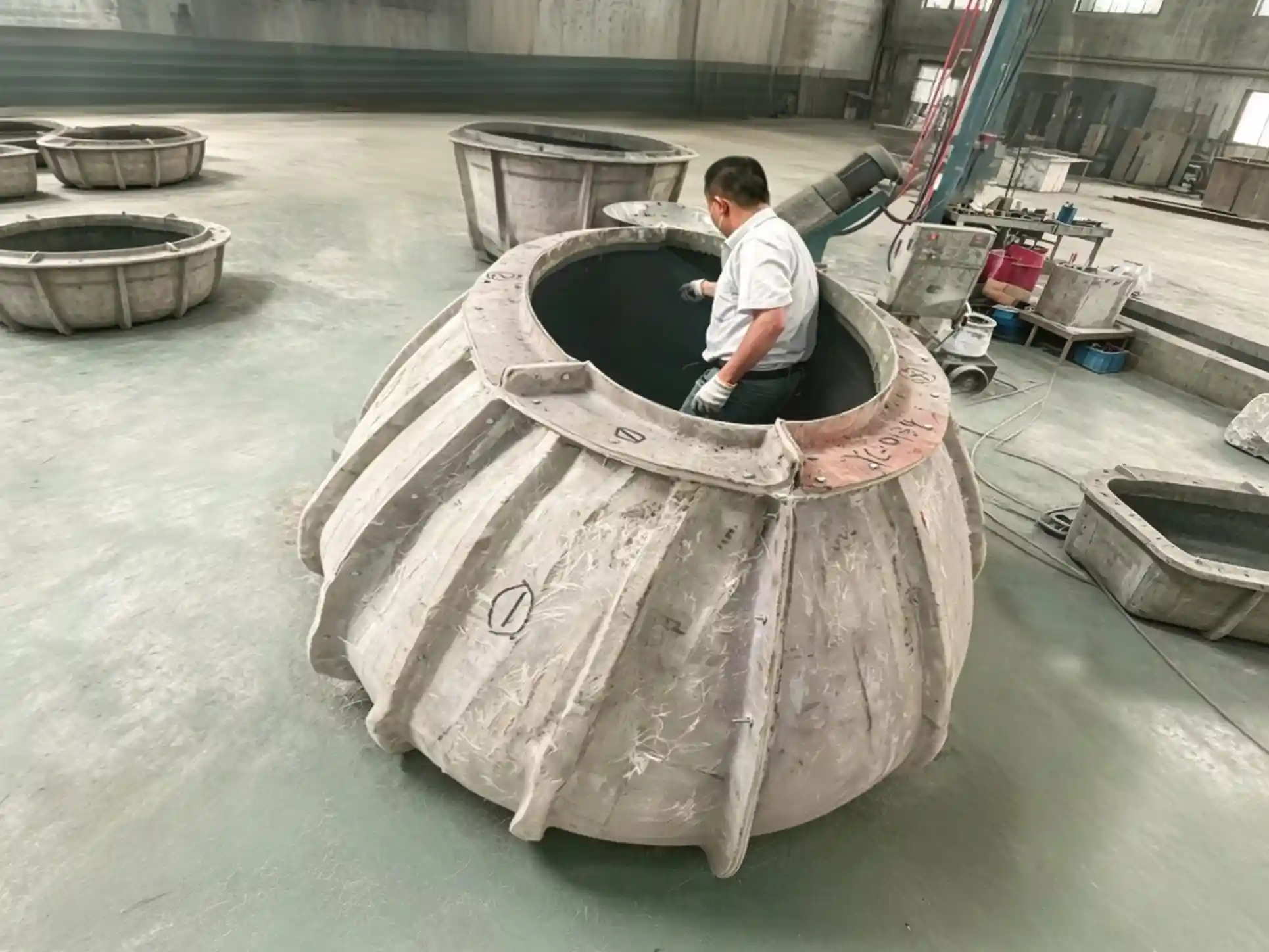
Many mass-market suppliers treat drainage as an afterthought, using power tools to drill raw holes into finished pots. This can expose raw fiberglass strands or concrete aggregates to water, leading to eventual delamination, cracking, and structural failure.
- Factory-Sealed Edges: Ronglin’s drainage holes are integrated during the precision casting and molding process. The edges are sealed to protect the planter structure during long-term commercial use.
- Removable Plugs: Our versatile indoor planters with drainage holes come with heavy-duty waterproof rubber plugs, allowing you to switch a pot from an outdoor-draining setup to an indoor-sealed cachepot.
- OEM Customization: Need an elevated false bottom engineered for a specific architectural project? As a leader in bulk procurement, our R&D team customizes internal depth and drainage geometry to match project requirements.
Looking for Custom Commercial Engineering?
From high-rise balcony safety to hotel lobby leak-proofing, our engineering team provides bespoke internal structures and drainage solutions for global B2B projects.
Discover Commercial SolutionsEngineering FAQs
Do large outdoor planters need drainage holes?
Absolutely. Without proper drainage holes, rainwater will rapidly accumulate at the bottom of a large planter. This drowns the root system, causing irreversible root rot, and creates hydrostatic pressure that can crack the planter's base.
What is a false bottom in an indoor planter?
An indoor planter false bottom is an internal platform that holds the soil and plant up, creating an empty reservoir space at the very bottom of the pot. Excess water drains through the platform into this hidden space, keeping roots aerated while preventing leaks.
Can drainage holes be customized for specific pipe fittings?
Yes. As a primary manufacturer, Ronglin can cast custom-sized openings to accommodate specific architectural drainage pipes or sub-irrigation sensors used in smart-city and large municipal projects.
Source Precision-Engineered Planters from Ronglin
From custom false bottoms for luxury hotels to massive outdoor vessels built to weather the storm, partner with a manufacturer that understands commercial engineering.
Engineering Large Planters for Complex Urban Spaces: Rooftops & Sunken Plazas