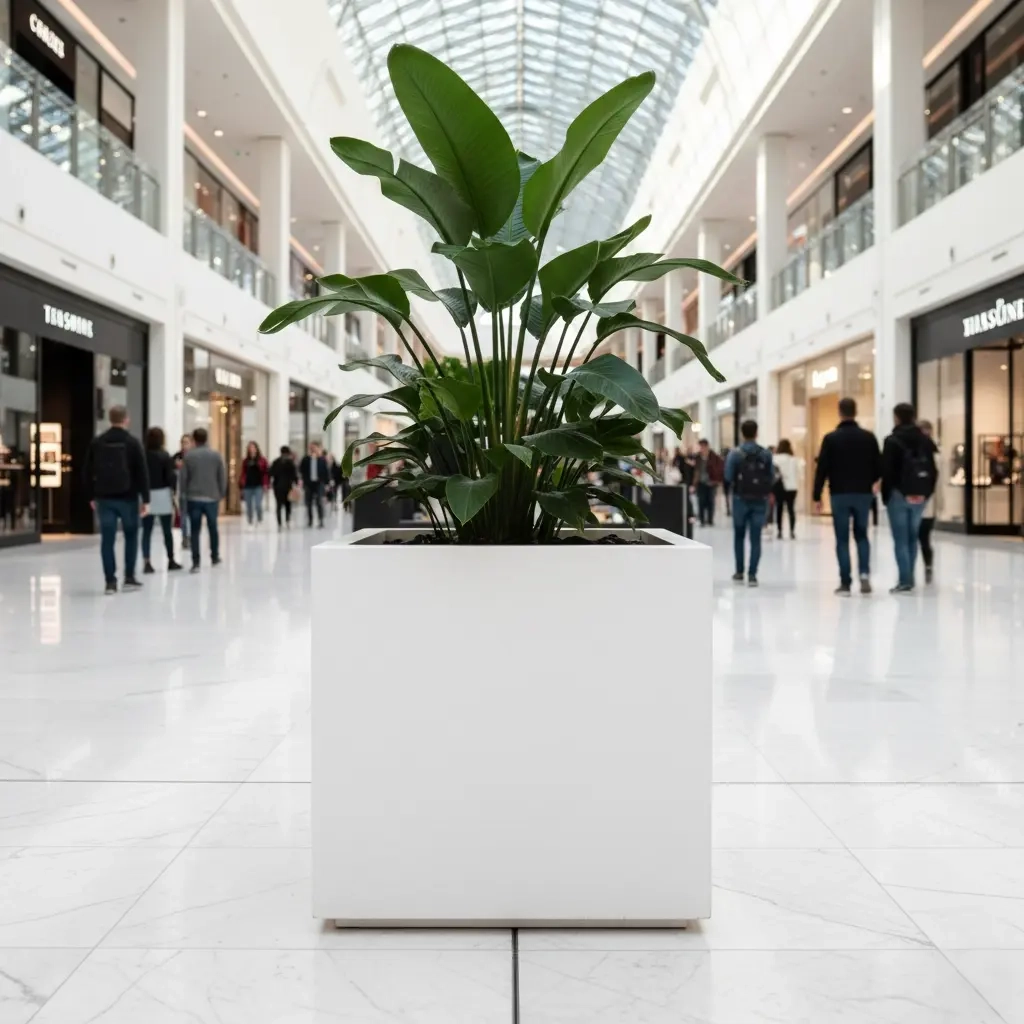
The Benefits of Cement Pots and Planters for Interior Spaces

Total Words: 1478字
Cement pots are a fantastic choice for indoor plants. They offer durability and a modern aesthetic.
These pots come in various shapes and sizes, like cement rectangle pots and large cement pots. This variety allows you to find the perfect fit for any plant.
Cement pots are not only stylish but also practical. They provide excellent insulation for plant roots, maintaining a stable temperature.
Additionally, cement pots are eco-friendly and require minimal maintenance. They can last for years, making them a cost-effective option for plant lovers.
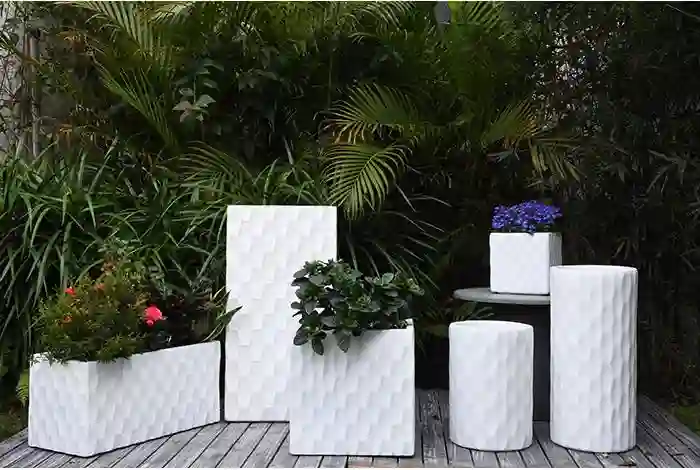
Are Cement Pots Good for Plants? Why Choose Them for Indoors?
Choosing cement pots for your indoor plants comes with several advantages. Their durability makes them ideal for both indoor and outdoor use. They can withstand various weather conditions and last for years with minimal care.
-
Cement pots also offer excellent insulation. This helps maintain a consistent temperature for plant roots, protecting them from sudden temperature changes. Such stability is crucial for plant health and growth.
-
Another benefit is the heavy nature of cement pots. They prevent top-heavy plants from tipping over easily. This weight also helps keep your plants safe from playful pets or accidental bumps. Ronglin’s custom handcrafted pots solutions deliver both lightness and exceptional stability.
-
In addition to these functional advantages, cement pots are stylish. They complement modern, luxurious decor and can be customized to suit your personal taste. You can choose from various shapes and colors, such as the Indoor Smooth-Finish Large Pot or the Cylindrical Indoor Plant Pot.
Here are some reasons why choose cement pots:
-
Durable and weather-resistant
-
Provide good insulation
-
Stable and hard to topple
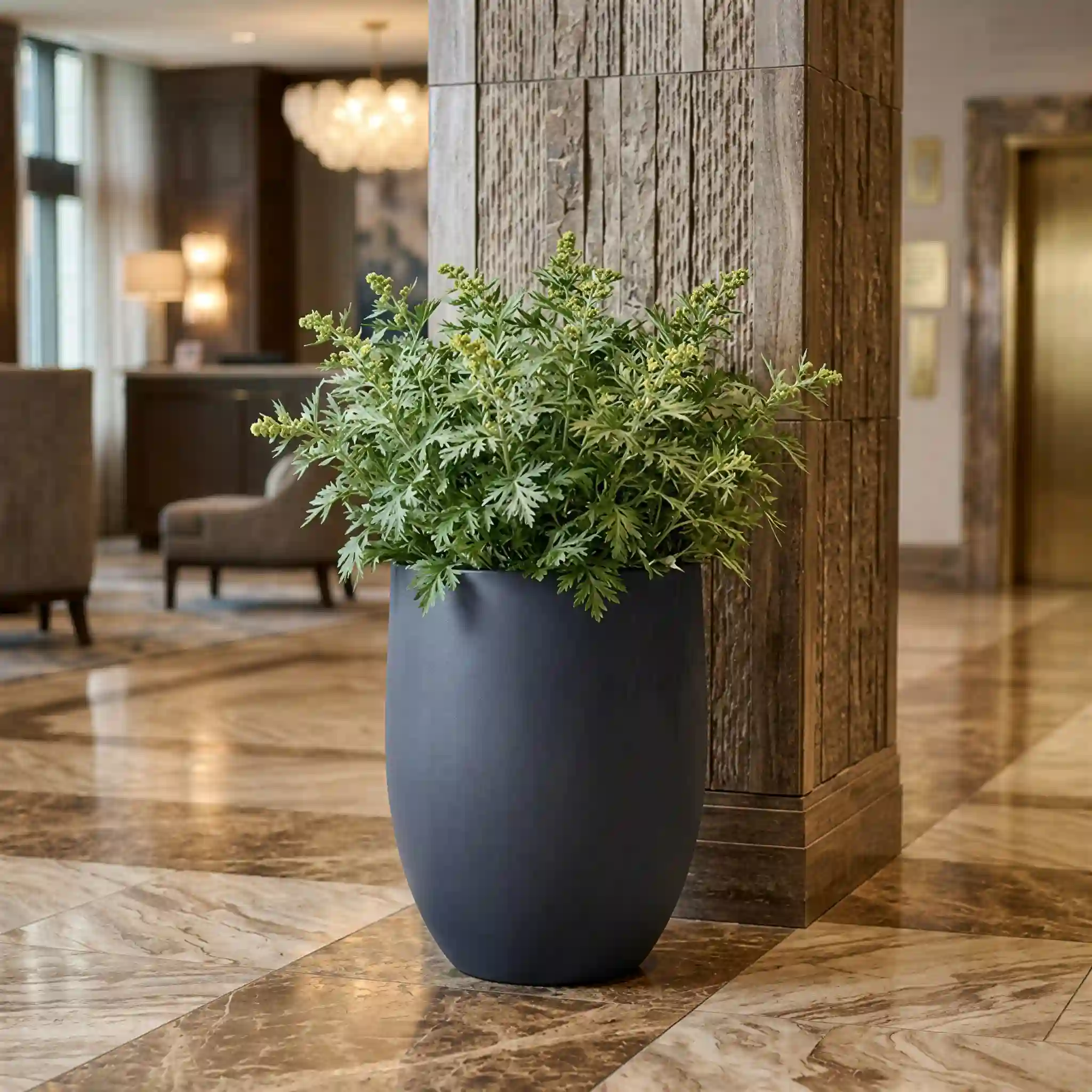
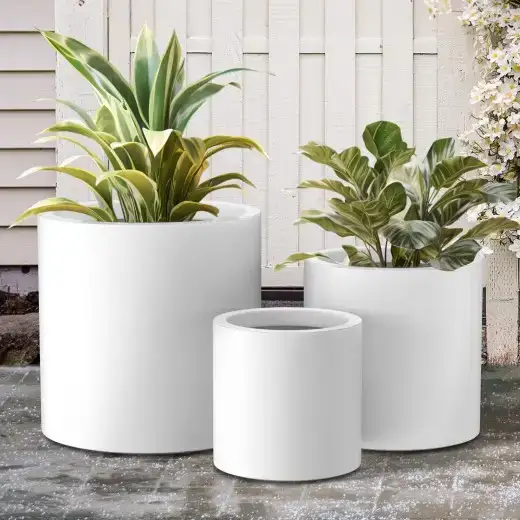
Types of Cement Pots: Shapes, Sizes, and Styles
Cement pots are incredibly versatile, catering to various aesthetic and functional needs. Their diverse shapes, sizes, and styles allow them to fit seamlessly into any decor. This makes them a favorite for modern indoor gardens.
When it comes to shapes, the options are abundant. Rectangle pots provide a sleek and linear look, ideal for creating structured plant arrangements. On the other hand, round and oval shapes offer a softer, more organic appearance.
The size of a cement pot also plays a crucial role in its utility. From tiny pots for succulents to large cement pots for statement plants, options abound. Larger pots serve as stunning focal points in a room, while smaller ones can complement shelves and tables.
Additionally, the style of cement pots ranges from rustic to modern. Some are plain, while others boast decorative cement finishes. Whether you're looking for a minimalist concrete pot or a decorative cement planter, there’s a style for everyone. Consider these popular options:
-
Cement rectangle pots for structured spaces
-
Decorative cement finishes for artistic touches
-
Large pots for significant visual impact
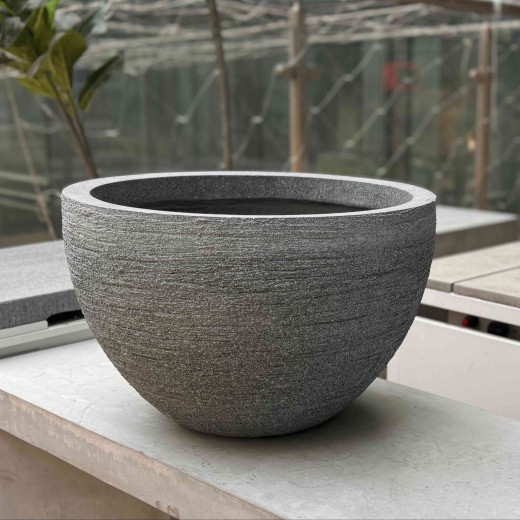
Key Benefits of Cement Pots: Good for Plant Health
Cement pots boast numerous benefits for maintaining and promoting plant health. One significant advantage is their ability to provide excellent insulation for plant roots. This characteristic helps maintain stable temperatures, essential for thriving indoor plants.
Another benefit is the weight of cement pots, which prevents plants from toppling over. This stability makes them particularly suitable for plants with top-heavy foliage. Moreover, the heaviness means they are less likely to be disturbed by pets.
Porosity is a defining feature of cement pots. This property allows for superior air circulation and drainage, crucial for healthy root systems. Improved drainage helps prevent waterlogging, a common issue in plant care.
Why does it provide excellent insulation and drainage performance?
Cement flower pots are thoughtfully designed with tiny, closed pores—some even visible on the surface—that gently block heat transfer to keep roots comfortably cool. Plus, their network of interconnected pores helps water drain just right, so you’ll simply need a little extra water when watering.
Furthermore, cement pots are eco-friendly, comprising natural materials. This ensures a minimal environmental impact while offering maximum durability. Consider these key benefits:
-
Excellent insulation for root protection
-
Heavy, stable design prevents tipping
-
Porous structure enhances air circulation
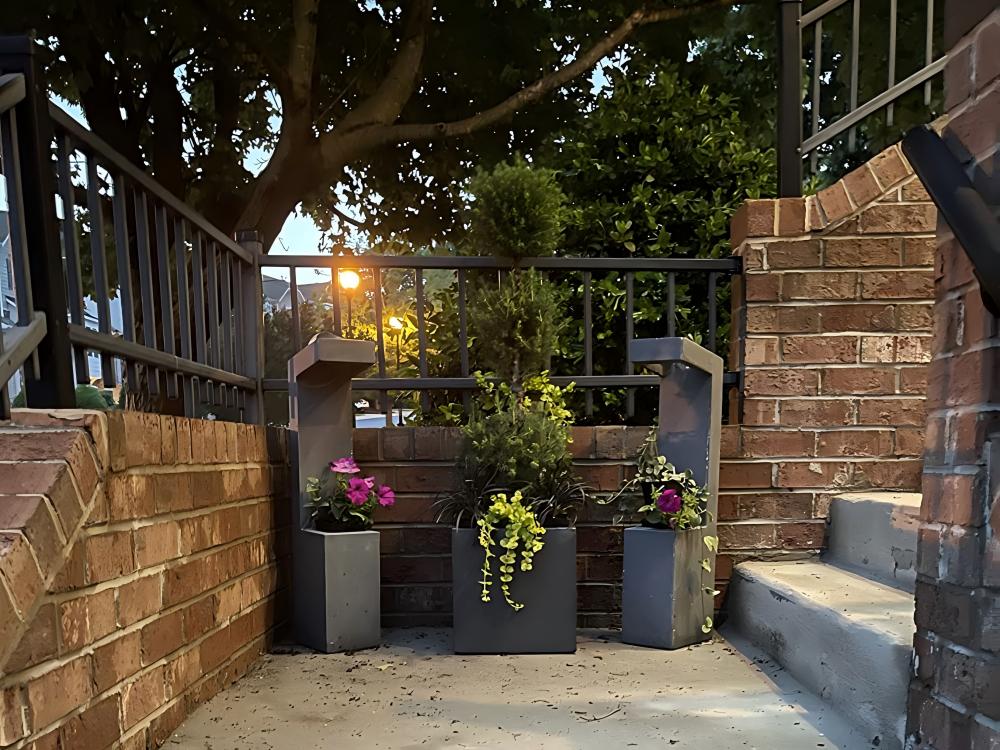
Modern Design Ideas with Cement and Concrete Planters
Integrating cement and concrete planters into modern decor offers a sleek and elegant aesthetic. Their natural gray tones blend seamlessly with minimalist interiors. Cement planters can serve as sophisticated focal points, complementing a variety of design styles.
Mixing different shapes and sizes elevates the visual intrigue. Consider pairing a cement rectangle or cube planter pots with more rounded or angular designs. The juxtaposition of forms adds depth and character to the space. Especially in indoor and outdoor passageways or spaces that connect the two, there will be unexpected effects.
Furthermore, these planters can be incorporated with other materials, such as wood or metal, for a contemporary mixed-material look. This approach broadens their decorative versatility. Here are some modern design ideas:
-
Cluster varying shapes for visual interest
-
Use a large cement pot as a central feature
-
Combine with wood or metal accents
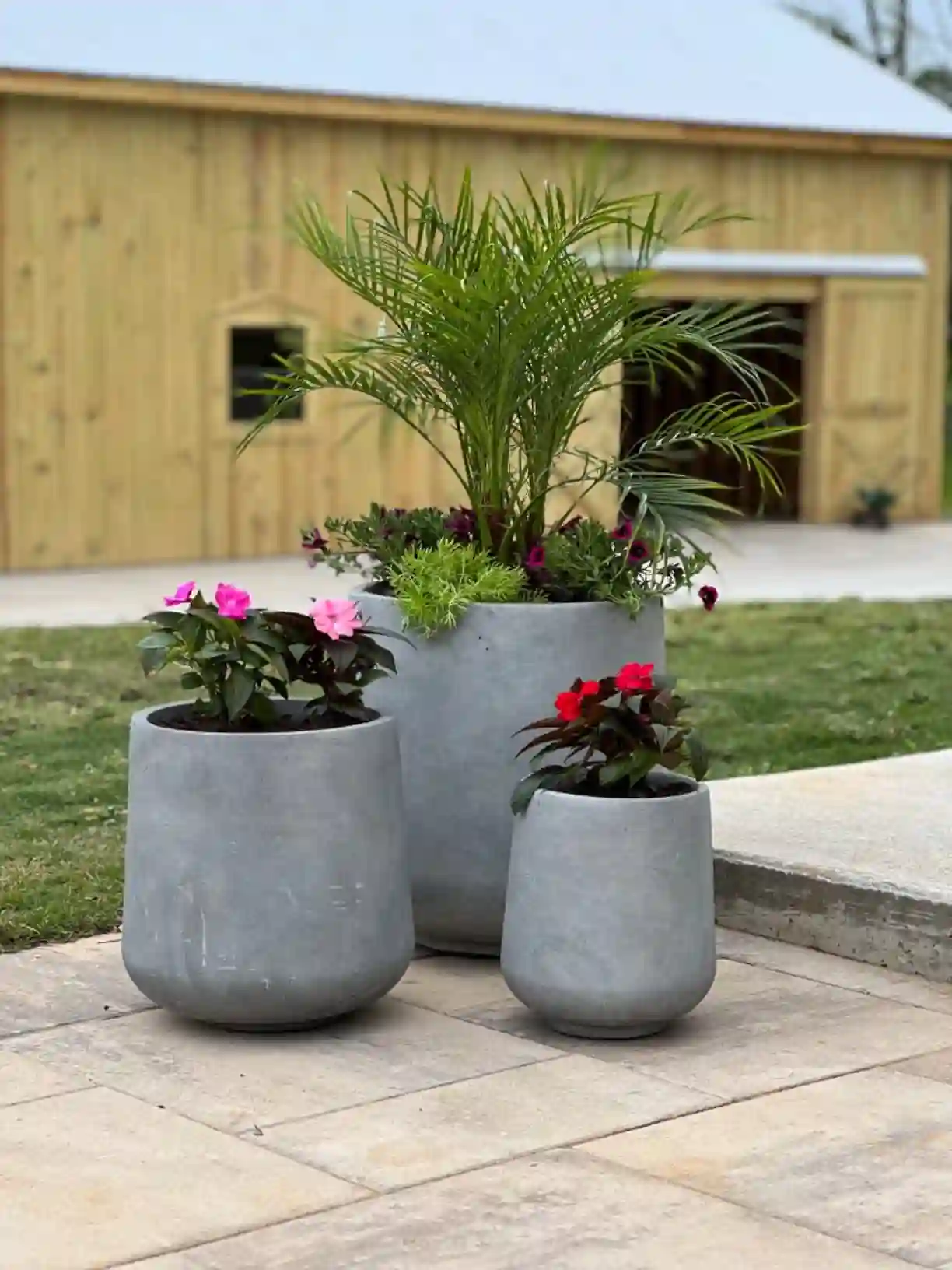
How to Make Cement Plant Pots at Home
Creating cement plant pots at home is a rewarding DIY project. It lets you personalize your planters. With simple materials, you can design pots that suit your style and space perfectly.
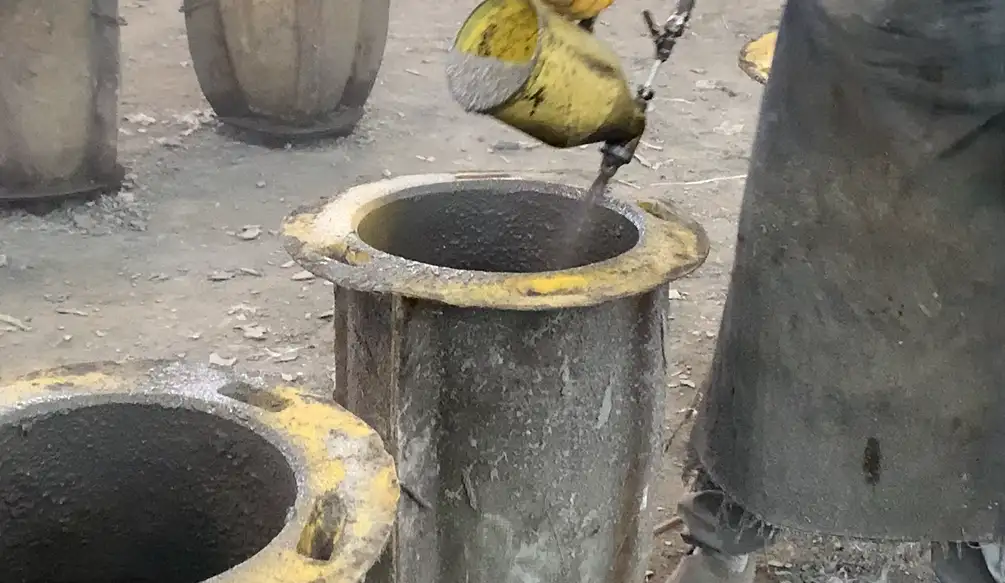
To start, gather cement, water, and molds. Silicone or plastic molds work well. Mix the cement with water to the right consistency, like thick batter. Pour the mixture into the mold and let it set for a day or two.
Tips: Adding glass fiber between the mold and the cement can enhance its strength and make it less prone to cracking.
This is why the cement pots we produce are so durable.
Once the cement is dry, gently remove the mold. You can sand the edges for a smooth finish. Customizing with paint or engravings adds a personal touch. Follow these steps for a simple DIY approach:
-
Mix cement and water
-
Pour into a mold
-
Let set and unmold
Decorating and Painting Cement Flower Pots
Decorating cement flower pots can enhance your indoor garden's aesthetic. Paint and decorative cement finishes offer endless possibilities. With creativity, even simple pots become striking decor pieces.
Start by choosing the right paints suitable for cement. Acrylic paints work well and dry quickly. You can create patterns or even a marbled effect by blending colors. Sealing the paint ensures durability, especially if they are used outside.
Consider adding embellishments for a unique look. Stencils, decals, or natural materials like twine can create distinctive designs.
Customize your pots to match your home decor with these ideas:
-
Use stencils for patterns
-
Add decals for modern flair
-
Incorporate natural elements like twine
Maintenance Tips for Cement Pot Planters
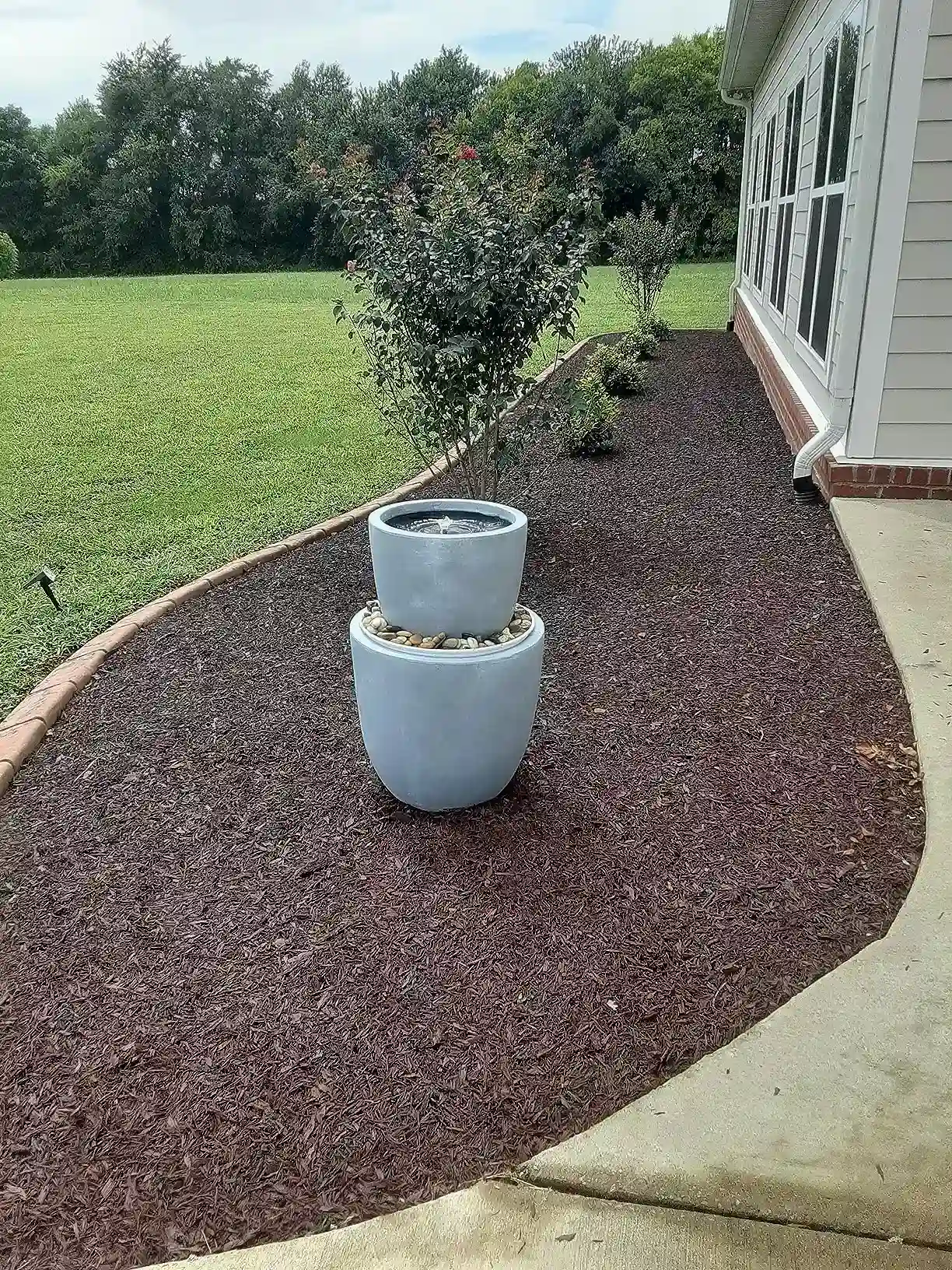
Maintaining cement pot planters ensures their longevity and plant health. Regular cleaning is essential to prevent soil and water build-up. Use mild detergent and water to clean them occasionally.
To preserve their appearance, consider sealing the pots. This reduces porosity and protects against moisture damage. Sealing also helps retain the pot’s color and finish over time.
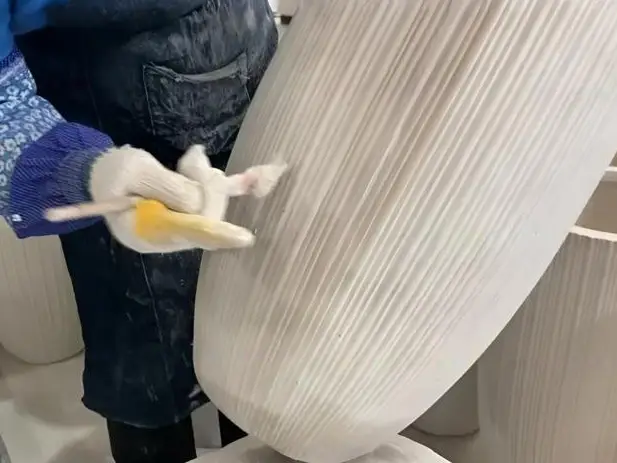
Inspect pots for cracks or damage periodically, addressing any issues promptly. Here are quick maintenance tips:
-
Clean with mild detergent
-
Seal to protect against moisture
-
Inspect regularly for cracks
FAQs
Question 1: Is cement good for plants indoors?
Answer: Yes, cement is excellent for indoor plants. It is a porous material that allows the soil to breathe, which helps prevent root rot by allowing excess moisture to evaporate. For indoor use, it provides a stable environment and natural insulation for the plant's root system.
Question 2: Are concrete pots good for plants?
Answer: Concrete pots offer the same great benefits as cement. They are highly durable, eco-friendly, and provide a heavy, sturdy base for top-heavy plants like Fiddle Leaf Figs or Monstera, preventing them from falling over in your living room or office.
Question 3: How long do cement flower pots last?
Answer: The durability and longevity of cement flower pots are outstanding. While traditional cement can last for many years, modern GRC (Glass Fiber Reinforced Concrete) planters can last for decades. They are highly resistant to wear, impact, and structural degradation, making them a long-term investment for your interior decor.
Question 4: Can I use 36 inch cement pots for indoor plants?
Answer: Absolutely. A 36-inch cement pot is ideal for establishing a large indoor focal point, such as planting an indoor tree for a hotel lobby, corporate office, or spacious living room. Choosing a GFRC option for this size is recommended to ensure the pot remains movable while retaining the authentic concrete aesthetic.
Conclusion: Elevate Your Indoor Garden with Cement Pots
Cement pots are a stylish and practical choice for any indoor garden. Their durability and modern design ensure long-term satisfaction.
From providing excellent insulation to easy customization, cement pots complement various plants and enhance home aesthetics. Embrace the versatility and elevate your indoor garden with these timeless planters.
The Light Revolution: How GFRC Concrete is Redefining Commercial Aesthetics in 2026
Ultimate Guide to GRC Planter Pots: Scale & Customization